Cute Animal Illustrations, Nursery Decor: A Practical Guide to Selecting the Right Visual Assets
When curating a nursery or designing children’s media, visual consistency is paramount. The choice between generic stock photography and custom Cute Animal Illustrations, Nursery Decor often determines the final aesthetic tone of a project. While high-resolution photography offers realism, illustrated assets provide a stylized, cohesive look that can be easily integrated into various design contexts. For creators, parents, and designers alike, understanding the technical specifications and creative applications of these assets is essential for making an informed decision.
This analysis explores the distinct advantages of using vector-based or high-quality raster animal illustrations, specifically focusing on their utility in digital and physical print projects. We will examine how features like transparency, resolution, and scalability impact the final output, helping you determine if this style aligns with your creative goals.
Distinguishing Features of High-Quality Animal Illustrations
The term "Cute Animal Illustrations, Nursery Decor" encompasses a broad range of artistic styles, from watercolor textures to clean vector lines. However, not all digital assets are created equal. When evaluating options, several technical factors distinguish premium clipart from lower-quality alternatives. These distinctions directly affect usability, especially for commercial products or large-format prints.
Resolution and Print Readiness
One of the most critical metrics for any printable asset is DPI (Dots Per Inch). Standard web images typically operate at 72 DPI, which results in pixelation when printed. In contrast, professional-grade illustration packs often include files at 300 DPI. This high resolution ensures that whether you are printing a small business card or a large wall mural, the edges remain crisp and the colors stay vibrant.
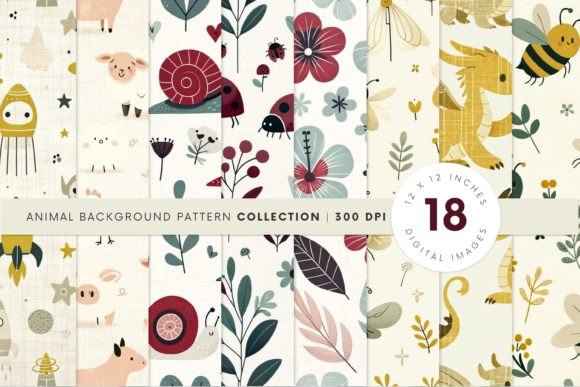
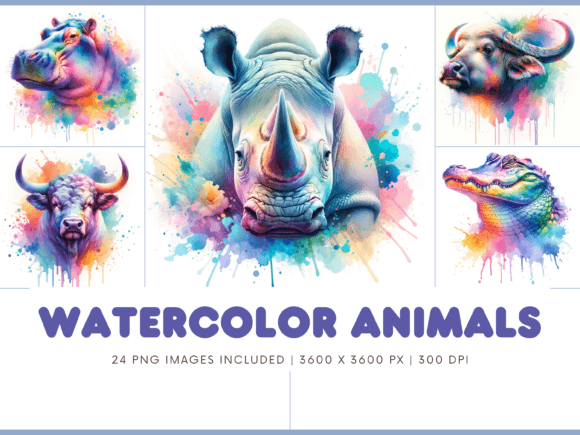
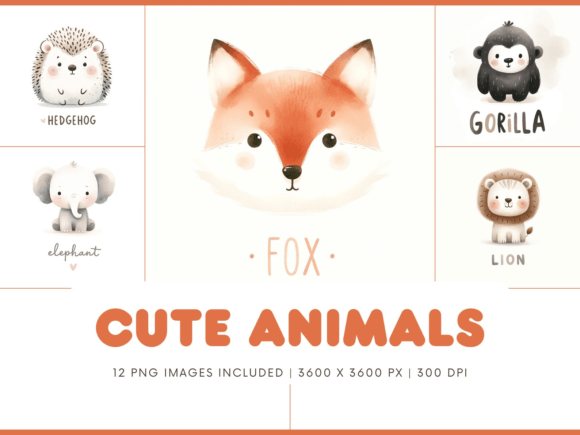
Furthermore, dimensions matter. Assets sized at 3600 × 3600 pixels (equivalent to 12 x 12 inches at 300 DPI) offer significant flexibility. This square format is particularly popular in scrapbooking and digital journaling because it provides ample space for detailed backgrounds or focal points without requiring excessive cropping. For those planning to create hardcovers for books or journals, this size allows for full-bleed designs where the image extends to the edge of the page.
The Utility of Transparent PNGs
A defining characteristic of versatile clipart is the inclusion of transparent PNG files. Unlike JPEGs, which have solid white (or colored) backgrounds, transparent PNGs allow the illustration to blend seamlessly into any background layer. This feature is indispensable for:
- Layering in Design Software: You can place a cute bear illustration over a textured paper background or a gradient sky without manually erasing the background.
- Composite Images: Combining multiple elements to create complex scenes, such as placing animals within a forest setting.
- Product Mockups: Applying illustrations to mockups of mugs, t-shirts, or tote bags to visualize the final product accurately.
Evaluating Use Cases and Applications
The versatility of these illustrations makes them suitable for a wide array of applications. Understanding where these assets fit best helps in selecting the right resource for your specific needs. Below, we break down common use cases and the strategic value they add.
Personalized Stationery and Invitations
In the realm of personal events, customization is key. Cute Animal Illustrations, Nursery Decor elements are frequently used in birth announcements, birthday cards, and party invitations. The playful nature of baby animals conveys warmth and joy, resonating well with audiences celebrating new beginnings. Because these files are high-resolution, they maintain quality even when resized for different card formats, from standard 5x7 inch cards to larger poster invites.
For handmade stationery enthusiasts, these illustrations serve as excellent base layers. They can be printed on specialty papers, such as cotton rag or textured cardstock, to add a tactile dimension to the visual appeal. This approach elevates simple invitations into keepsake items.
Digital Scrapbooking and Journaling
Digital scrapbooking has grown significantly, offering a convenient way to preserve memories without the mess of physical supplies. Layouts require elements that can be dragged, dropped, and resized freely. A pack of 12 high-quality illustrations provides enough variety to cover different themes—perhaps one file for a spring theme, another for winter, etc.—allowing users to create diverse layouts quickly.
Additionally, these assets are ideal for junk journals and planner stickers. The transparent background allows users to overlay the animal figures onto handwritten notes or calendar grids, creating a personalized touch that feels organic rather than pasted-on.
Commercial Product Design
For entrepreneurs, the ability to use these images for commercial purposes is a major selling point. Small business owners often look for unique assets to differentiate their brands. Using Cute Animal Illustrations, Nursery Decor in packaging, logos, or website backgrounds can establish a brand identity that is friendly, approachable, and family-oriented.
Consider the example of a jewelry maker who wants to create branded tags for handmade necklaces. Printing a small, high-DPI animal illustration on the tag adds a professional finish. Similarly, for those decorating furniture or creating home accessories, these illustrations can be transferred via vinyl cutters or sublimation printers, allowing for consistent branding across multiple products.
Comparing Illustrations to Alternatives
When deciding on visual assets, consumers often weigh illustrations against other options such as photography, typography-only designs, or abstract patterns. Each approach has its own set of tradeoffs.
| Feature | Cute Animal Illustrations | Stock Photography | Typography/Abstract |
|---|---|---|---|
| Uniqueness | High; less likely to appear on every competitor's site. | Low; common subjects may look generic. | Medium; depends on font selection. |
| Versatility | High; works on light and dark backgrounds with transparency. | Low; often requires extensive editing to remove backgrounds. | Medium; limited by color schemes. |
| Emotional Tone | Playful, warm, nostalgic. | Realistic, candid, or dramatic. | Modern, minimalist, or bold. |
| Scalability | Excellent; especially if vector-based. | Poor; pixelation occurs when enlarging. | Excellent. |
While stock photography might capture a genuine moment, it often lacks the stylized cohesion that illustrations provide. A nursery decorated with matching illustrated elements feels more curated than one filled with disparate photos. Furthermore, illustrations avoid the potential copyright issues associated with unlicensed stock photos, provided the commercial license is secured.
Decision Factors: When to Choose Illustrations
Selecting the right asset type depends on your end goal. Here are practical scenarios to consider:
- Brand Consistency: If you are building a brand around a specific aesthetic (e.g., soft pastels, whimsical woods), illustrations allow you to control the color palette and style precisely. Photography introduces variables like lighting and skin tones that can clash with your brand colors.
- Print Quality Requirements: For projects involving large prints or frequent resizing, the 300 DPI and 3600px resolution of these illustrations ensure clarity. If you only need small web icons, lower-resolution assets might suffice, but for physical goods, high DPI is non-negotiable.
- Time Efficiency: Creating custom illustrations from scratch is time-consuming and expensive. Purchasing a pre-made pack of 12 high-quality images offers a cost-effective solution for individuals or small businesses needing immediate, professional-looking assets.
However, there are limitations. If your project requires hyper-realism or specific emotional nuance that only photography can convey (such as documenting a real-life event), illustrations may feel too artificial. Additionally, while these assets are versatile, they may not suit ultra-minimalist or corporate environments where subtlety is preferred over playfulness.
Maximizing Value from Your Asset Pack
To get the most out of a collection of Cute Animal Illustrations, Nursery Decor, consider how you integrate them into your workflow. Do not limit yourself to just printing them out. Explore digital applications:
- Social Media Content: Use the transparent PNGs to create engaging Instagram stories or Pinterest pins. Overlay text on top of the illustrations to create quote graphics or promotional banners.
- Website Backgrounds: Tile the illustrations subtly behind text sections to add texture without distracting from the content.
- DIY Projects: Use them for decoupage on boxes, frames, or furniture. The high resolution ensures that when you glue the printed image onto the surface, no pixelation is visible up close.
By viewing these assets as modular components rather than static images, you unlock their full potential. Whether you are designing a birth announcement, updating a blog’s visual identity, or crafting homemade gifts, the combination of high resolution, transparency, and charming subject matter makes these illustrations a robust choice for creative professionals and hobbyists alike.
Ultimately, the decision rests on the desired aesthetic and functional requirements. For those seeking a cohesive, scalable, and emotionally resonant visual language for children-themed or lifestyle projects, investing in high-quality Cute Animal Illustrations, Nursery Decor offers a reliable foundation for success.