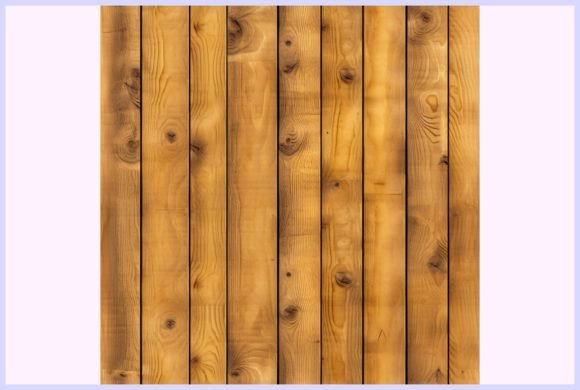
Wood Seamless Pattern: A Strategic Asset for Branding, Design, and Operational Efficiency
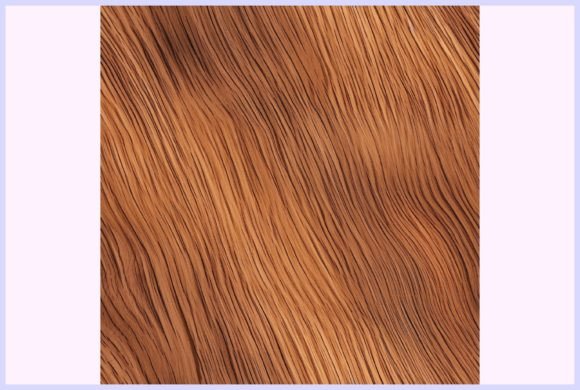
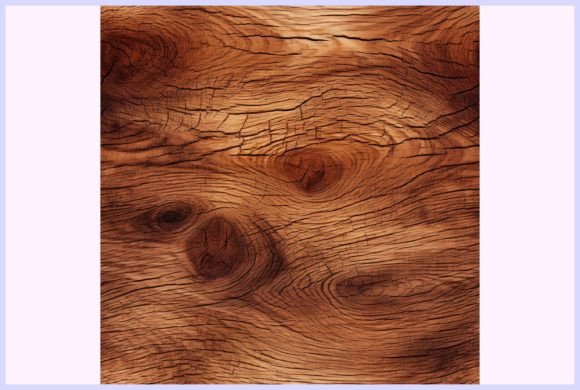
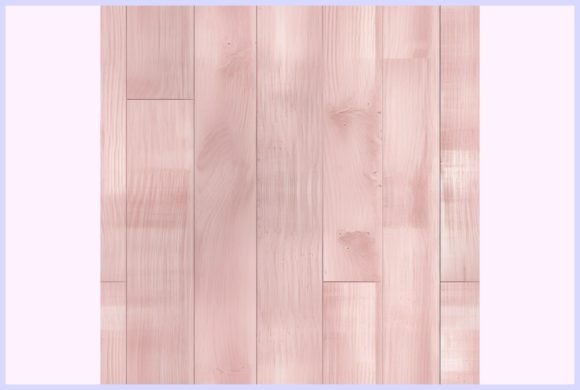
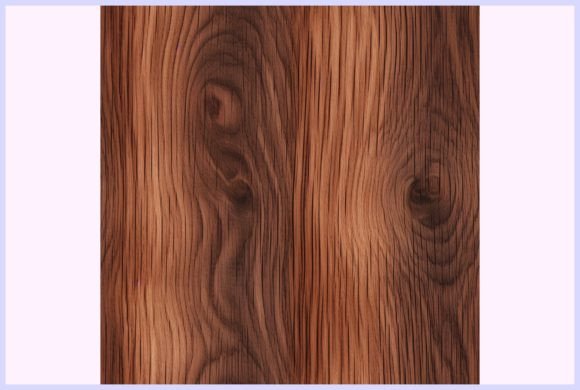
In the landscape of digital design and physical production, the distinction between a decorative element and a strategic asset often lies in intent. The Wood Seamless Pattern is frequently categorized merely as a texture, yet its utility extends far beyond aesthetic embellishment. For entrepreneurs, marketers, and creative professionals, understanding how to deploy this pattern effectively can enhance brand positioning, streamline production workflows, and elevate customer experience. This guide explores the practical applications, technical specifications, and strategic considerations surrounding high-resolution wood textures, ensuring that every design decision contributes to long-term results.
The Strategic Value of Texture in Visual Communication
Visual hierarchy and tactile perception play critical roles in consumer psychology. Wood, as a material, evokes associations with stability, authenticity, craftsmanship, and organic warmth. When translated into a digital format via a seamless pattern, these psychological cues are preserved without the logistical constraints of physical materials. For small business owners and freelancers, leveraging a Wood Seamless Pattern allows for the rapid creation of cohesive visual identities that resonate with audiences seeking reliability and natural aesthetics.
Unlike static images that require complex cropping or masking, a seamless pattern offers operational efficiency. It eliminates the need for manual alignment during layout creation, reducing the time spent on repetitive design tasks. This efficiency translates directly into productivity, allowing creators to focus on higher-level strategy rather than pixel-perfect adjustments. Whether you are designing stationery for a boutique law firm or packaging for an eco-friendly startup, the consistent application of texture reinforces brand consistency across multiple touchpoints.
Technical Specifications and File Integrity
Before integrating any graphic resource into a professional workflow, verifying technical specifications is non-negotiable. Low-quality assets can undermine even the most well-conceived marketing campaigns by introducing artifacts, blurriness, or color inaccuracies. The Wood Texture Seamless Pattern described here is engineered to meet rigorous professional standards, ensuring compatibility with both digital and print environments.
- File Format: JPG. While PNG is often preferred for transparency, high-quality JPGs offer superior compression ratios for solid textures, reducing file size without perceptible loss in quality for background applications.
- Resolution: 300 DPI (Dots Per Inch). This is the industry standard for high-quality printing. Using a lower resolution risks pixelation when scaled up for banners or large-format prints.
- Dimensions: 2400×2400 pixels. This square aspect ratio provides ample detail while maintaining manageable file sizes for web use.
- Color Mode: RGB. Optimized for digital screens, web graphics, and modern digital printers. Note that for offset printing, conversion to CMYK may be required depending on the printer’s specifications.
- Tiling Feature: Seamlessly Tileable. The pattern repeats without visible seams, allowing it to cover any surface area indefinitely.
Understanding these parameters helps decision-makers avoid common pitfalls. For instance, using a screen-optimized image for a printed invitation can result in muddy text and grainy backgrounds. By selecting a 300 DPI source, you future-proof your designs for potential scaling needs, whether that means shrinking a banner for a mobile ad or enlarging a business card template.
Practical Applications Across Industries
The versatility of a Wood Seamless Pattern makes it applicable across a diverse range of sectors. Its ability to blend with other elements while providing structural grounding makes it ideal for various mediums.
Printed Collateral and Stationery
For educators, publishers, and corporate communicators, stationery serves as a tangible representation of brand values. A wood-textured background can add depth to letterheads, business cards, and report covers. The texture adds a layer of sophistication without distracting from the primary information. When designing invitations or event banners, the organic feel of wood can soften the overall presentation, making formal events feel more approachable and warm.
Digital Marketing and Web Graphics
In the digital realm, first impressions are formed in milliseconds. Website headers, blog post backgrounds, and social media graphics benefit from the subtle texture provided by seamless patterns. Unlike flat colors, which can appear sterile, a wood texture adds visual interest that encourages longer dwell times. However, care must be taken to ensure contrast remains high enough for readability. Use the pattern as a backdrop for text overlays or interface elements, ensuring that call-to-action buttons remain distinct.
Physical Product Customization and DIY Projects
Entrepreneurs in the e-commerce space often utilize print-on-demand services or craft their own merchandise. The Wood Seamless Pattern is perfect for printing over surfaces such as phone cases, notebooks, and tote bags. In the context of decoupage or planner stickers, the pattern allows hobbyists and small-batch manufacturers to create unique, handcrafted-feeling products at scale. The seamless nature ensures that no matter how the item is cut or folded, the pattern continues naturally, maintaining visual integrity.
Decision-Making: When to Use Wood Texture
Not every brand requires a rustic or organic aesthetic. Strategic design involves aligning visual choices with target audience expectations and brand personality. A tech startup focusing on cutting-edge AI might find a wood texture incongruous with its message of innovation and speed. Conversely, a brand focused on sustainability, artisanal goods, or financial security may find the wood pattern highly effective.
Consider the following decision matrix before incorporating the pattern:
- Brand Alignment: Does the texture reflect the core values of the business? Wood suggests tradition, nature, and durability.
- Readability: Can text remain legible over the texture? If the wood grain is too busy, consider overlaying a semi-transparent solid color or using heavy typography.
- Medium Consistency: Will the RGB version look appropriate when converted for print? Always proof-print samples to check for color shifts.
- Contextual Relevance: Is the texture supporting the content, or competing with it? In data-heavy reports, a minimalist background is often safer.
Risks of Unintentional Application
One of the most common errors in design is relying on trends without understanding their impact. Overusing a Wood Seamless Pattern can lead to visual fatigue. If every element of a brand identity—from the website to the packaging—features the same heavy texture, the design loses nuance and becomes monotonous. Additionally, poor integration can make digital designs appear dated or "craft-store" like if not balanced with modern typography and clean layouts.
Another risk is ignoring the technical limitations of the output medium. Printing a high-contrast RGB wood pattern on low-grade paper can result in ink bleed, obscuring the fine details of the grain. Similarly, displaying a 2400px image on a mobile device without proper optimization can slow page load speeds, negatively impacting SEO and user experience. Always test the final output in its intended environment before mass production.
Maximizing Creativity and Long-Term Results
To unlock the full potential of this asset, treat it as part of a broader design system rather than a standalone solution. Combine the wood texture with complementary colors, such as deep greens, navy blues, or warm golds, to create a cohesive palette. Use the pattern strategically to highlight specific areas, such as the footer of a website or the border of an invitation, rather than covering entire canvases.
For educators and trainers, using wood textures in presentation slides can evoke a sense of grounded learning and stability. For bloggers, it can provide a consistent visual anchor that readers associate with quality content. By applying the pattern intentionally, you build a recognizable visual language that enhances recall and trust.
Ultimately, the value of a Wood Seamless Pattern is not just in its appearance, but in its ability to facilitate efficient, high-quality design execution. By choosing resources that are technically sound and strategically versatile, professionals can reduce production friction and deliver more polished results. Explore additional variations in seamless patterns to diversify your toolkit, ensuring that each project receives the tailored visual treatment it deserves.
For those looking to expand their design capabilities, visiting specialized shops for curated collections of seamless patterns offers access to vetted, high-resolution assets. Investing in quality files upfront saves time and prevents costly revisions later. Whether you are crafting a single invitation or launching a comprehensive brand campaign, the right texture can be the difference between a forgettable design and a memorable experience.