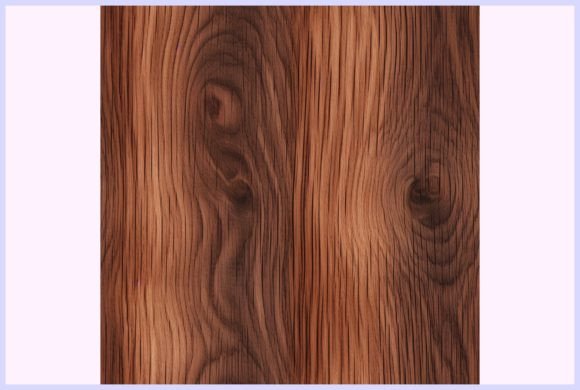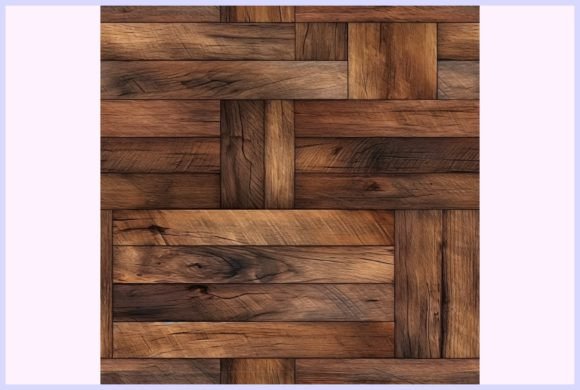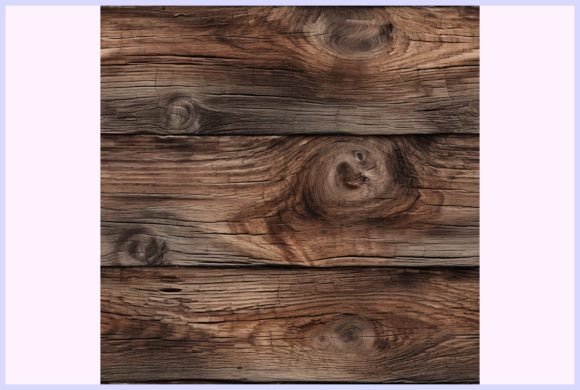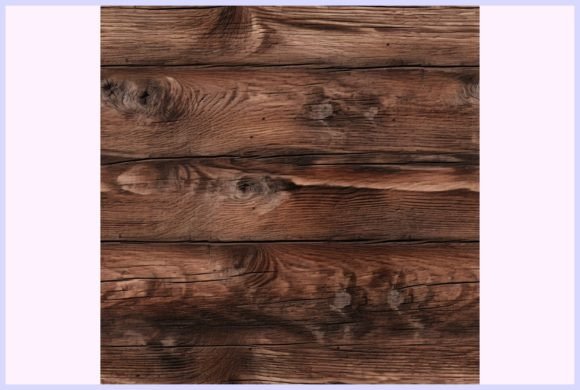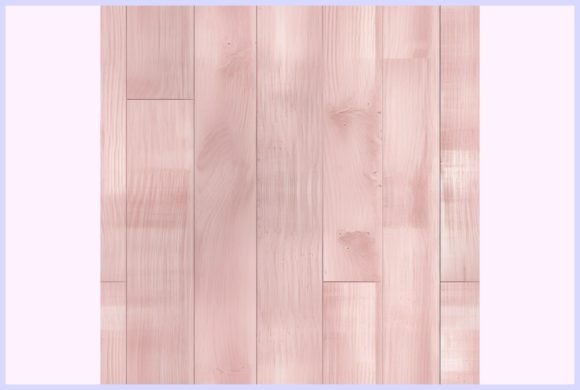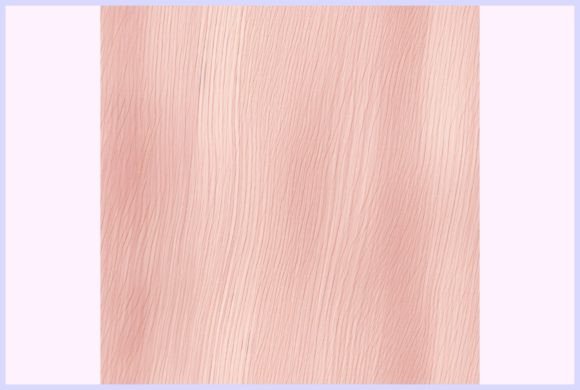
Wood Texture Seamless Pattern
A wood texture seamless pattern is more than just a repeating image of grain; it is a foundational design element that bridges the gap between natural aesthetics and digital precision. At its core, this asset is a high-resolution graphic file designed to tile infinitely without visible seams, creating the illusion of a continuous wooden surface. For designers, crafters, and business owners alike, understanding the nuances of this specific texture can elevate projects from ordinary to extraordinary. Whether you are looking to add warmth to a digital interface or create a tactile feel for physical print materials, knowing how to leverage this resource effectively is key.
Understanding the Asset: Quality and Specifications
Before diving into applications, it is crucial to understand what makes a wood texture pattern truly useful. Not all digital textures are created equal. The quality of a seamless pattern often dictates the final output's professionalism. A premium wood texture seamless pattern typically comes in a high-resolution format, such as a JPG file at 300 DPI (dots per inch). This resolution is non-negotiable for print work, ensuring that when the pattern is scaled up on a banner or a business card, the grain remains sharp and detailed rather than blurry or pixelated.
The technical specifications also matter significantly. A standard size like 2400×2400 pixels offers ample detail while remaining manageable for most design software. Furthermore, the color mode should be RGB for screen-based projects like web graphics and social media posts, though many creators prefer converting these assets to CMYK for professional printing services. The "seamless" feature ensures that when the pattern is applied in software like Photoshop, Illustrator, or Canva, the edges align perfectly. This repetitive tiling allows users to fill large areas—such as a website background or a scrapbook page—with the wood texture without seeing awkward cut-off lines or mismatched grains.
Why Different Audiences Care About Wood Textures
The appeal of wood textures varies widely depending on who is using them. For a hobbyist, the value lies in creativity and ease of use. For a professional marketer, it is about brand consistency and visual hierarchy. For an educator, it might represent a tool for teaching design principles. Let’s explore how different groups interact with this asset.
Beginners and Hobbyists
For those new to digital crafting or DIY projects, a wood texture seamless pattern removes the barrier of complex graphic design. Beginners often struggle with creating realistic textures from scratch. By using a pre-made, seamlessly tileable pattern, they can instantly achieve a polished look. This is particularly useful for:
- Cardmaking and Stationery: Adding a subtle wood grain background to wedding invitations or greeting cards adds a rustic, organic touch that feels personal and warm.
- Scrapbooking: Digital scrapbookers can layer wood patterns over photos to create themed layouts, such as cabin retreats or vintage family albums.
- Decoupage and Planner Stickers: Those who mix digital designs with physical crafts can print these patterns on adhesive paper to create custom stickers or decorative elements for journals.
The primary priority here is ease of use. If the pattern tiles easily and looks good at various scales, it empowers beginners to produce results that look professionally designed.
Professionals and Designers
Experienced graphic designers view wood textures as versatile building blocks. They do not just see a background; they see a way to add depth and context to a layout. Professionals evaluate a wood texture based on quality and flexibility.
A high-resolution 300 DPI file allows designers to zoom in and manipulate the texture without losing fidelity. They might use the wood pattern as a base for text effects, where letters appear carved into wood or resting on a wooden table. In UI/UX design, a subtle wood texture can provide a grounded, trustworthy feel for apps related to home improvement, outdoor gear, or artisanal products. The ability to seamlessly repeat the pattern means designers can create full-page backgrounds or wrapping designs for packaging without worrying about edge artifacts.
Small Business Owners and Entrepreneurs
For small business owners, especially in niches like handmade goods, coffee shops, or boutique retail, branding is everything. A wood texture seamless pattern can reinforce a brand identity centered on nature, sustainability, craftsmanship, or warmth.
Consider a local bakery that prides itself on rustic, oven-baked goods. Using a wood texture on their menu boards, social media banners, and product packaging creates a cohesive visual language. It signals to the consumer that the brand values authenticity. Similarly, a freelance photographer might use wood textures in their portfolio website to give their images a gallery-like, curated feel. The commercial value here lies in presentation; a consistent, high-quality aesthetic builds trust and recall.
Educators and Content Creators
Educators and bloggers often need engaging visual aids. A wood texture can serve as a neutral yet interesting backdrop for educational infographics or blog headers. It provides enough visual interest to keep readers engaged without overpowering the text. For educators teaching design, this pattern is an excellent example of how repetition and tiling work in graphic design. It demonstrates the concept of learning value by showing how a simple asset can be transformed through layering, opacity adjustments, and blending modes.
Practical Applications Across Mediums
The versatility of a wood texture seamless pattern extends across both digital and physical mediums. Here is how it can be practically applied:
- Web Graphics: Use the pattern as a section background on a website. Because it is seamlessly tileable, it loads efficiently and looks great on any screen size. It works well for hero sections or footers where a solid color might feel too stark.
- Print Materials: From business cards to large-format banners, the 300 DPI resolution ensures crisp output. Printers appreciate high-quality source files because it reduces the risk of reprints due to blurriness.
- Digital Products: Creators can incorporate the wood texture into digital planners, e-books, or online courses to give them a cohesive, thematic look. It helps in creating a unified brand experience for digital consumers.
- DIY and Craft Projects: As mentioned earlier, these patterns are perfect for decoupage. You can print the pattern on thin paper, glue it onto wooden boxes or frames, and seal it for a custom-finished look. This appeals to hobbyists who enjoy hands-on creative processes.
Evaluating Your Needs
When deciding whether a wood texture seamless pattern is right for your project, consider your specific goals. Are you prioritizing speed? If you need to complete a project quickly, a ready-made pattern saves hours of texture creation. Are you focused on long-term usefulness? A high-quality, royalty-free pattern can be used across multiple projects and years, making it a cost-effective investment. Do you need commercial value? Ensure the license allows for commercial use if you are selling products featuring the design.
It is also important to match the texture to the mood. Not all wood textures are the same. Some may evoke a modern, clean aesthetic with light oak grains, while others might suggest a rugged, vintage vibe with dark walnut knots. Understanding the emotional resonance of the texture helps in selecting the right asset for the right audience.
Conclusion
A wood texture seamless pattern is a powerful tool in the creative toolkit. Its value is not just in its appearance but in its adaptability. Whether you are a beginner exploring digital art, a professional refining a brand identity, or a business owner seeking to connect with customers on a deeper level, this asset offers a blend of quality, flexibility, and aesthetic appeal. By choosing a high-resolution, seamlessly tileable pattern, you ensure that your projects look polished and professional, regardless of the medium. Explore different variations, experiment with layering, and let the natural beauty of wood enhance your creative vision.