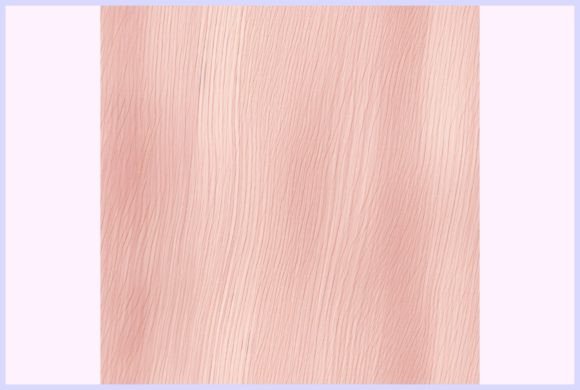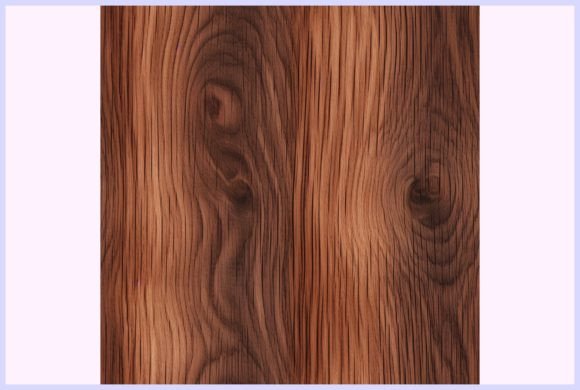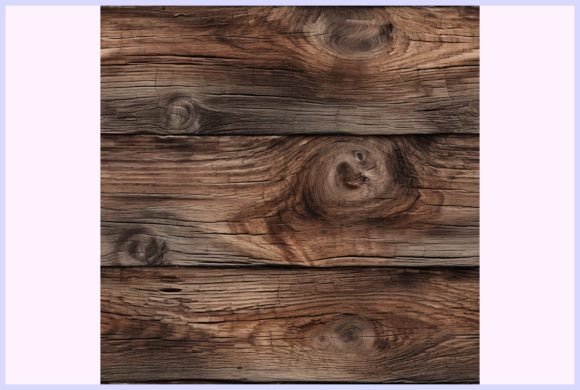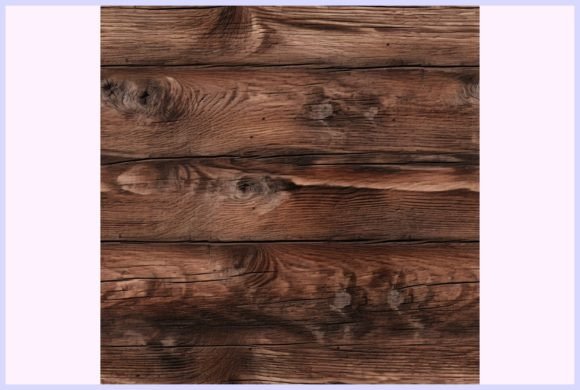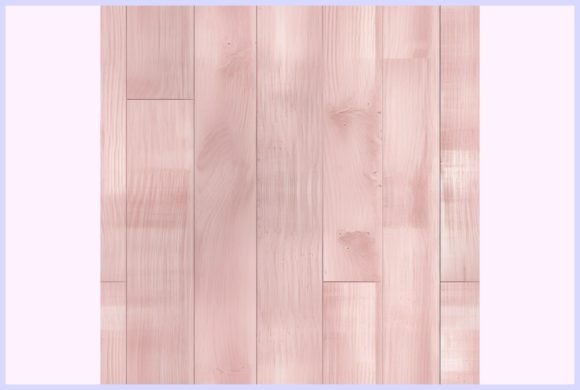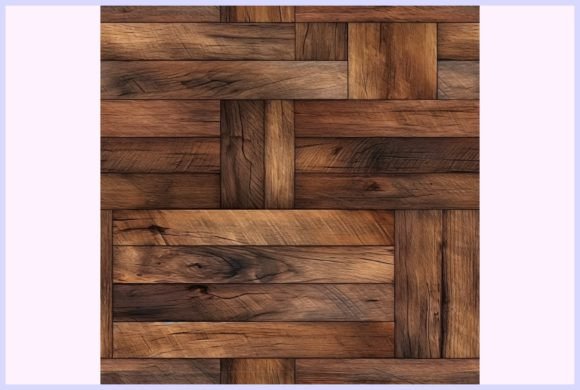
Old Wood Texture Seamless Pattern
In the realm of graphic design, few elements evoke the warmth and authenticity of natural materials as effectively as aged timber. The Old Wood Texture Seamless Pattern offers designers a sophisticated way to infuse projects with rustic charm, vintage appeal, and tactile depth. Whether you are crafting a brand identity that values heritage or designing digital assets that need a grounded, organic feel, this seamless pattern serves as a versatile foundation for visual storytelling. It bridges the gap between traditional craftsmanship and modern digital production, allowing creators to apply realistic wood grain effects without the hassle of complex layering or manual editing.
The Power of Seamless Patterns in Modern Design
A seamless pattern is more than just a repeating image; it is a structural tool that enables infinite tiling across any surface. For professionals working in branding, web design, or print media, the ability to create continuous textures is invaluable. An old wood texture provides a rich backdrop that can enhance readability when used correctly, add visual interest to minimalist layouts, or serve as the primary aesthetic driver for themed designs. The repetitive nature of the pattern ensures consistency, which is crucial for maintaining a cohesive look across large-scale applications like wall murals, packaging wraps, or full-page backgrounds.
Why This Texture Stands Out
Not all wood textures are created equal. The specific qualities of an "old" wood texture—such as subtle cracks, weathered tones, and varied grain directions—add character and realism. Unlike flat, uniform colors, these nuanced details create a sense of history and durability. When integrated into a design workflow, such a pattern can elevate simple compositions, making them feel more premium and thoughtful. It appeals to audiences who appreciate artisanal quality and natural aesthetics, making it a powerful asset for businesses in industries ranging from artisanal food products to eco-friendly lifestyle brands.
Practical Applications Across Creative Industries
The versatility of this high-resolution seamless pattern allows it to be utilized in a wide array of creative projects. Its adaptability makes it suitable for both digital and physical mediums, ensuring that your design vision translates seamlessly from screen to paper. Here are some key areas where this asset shines:
- Branding and Logo Design: Use the texture as a background element to give logos a stamped, embossed, or engraved appearance. It adds weight and permanence to brand marks, particularly for businesses focused on craftsmanship or sustainability.
- Packaging Design: In retail environments, tactile visuals drive purchase decisions. Applying this pattern to product boxes, labels, or tags can communicate quality and natural ingredients, enhancing the unboxing experience.
- Web and UI Design: For websites aiming for a warm, inviting atmosphere—such as blogs, portfolios, or e-commerce stores selling handmade goods—this pattern can serve as a subtle background that doesn’t distract from the primary content.
- Print Materials: From business cards and stationery to invitations and banners, the pattern adds a luxurious touch. It works exceptionally well for event themes related to weddings, rustic celebrations, or corporate retreats held in natural settings.
- Digital Products and Social Media: Create eye-catching social media graphics, planner stickers, or scrapbooking elements. The seamless nature allows for easy cropping and resizing without visible edges, perfect for dynamic content creation.
Technical Specifications for Professional Use
To ensure the highest quality output, it is essential to understand the technical attributes of the asset. This pattern is provided as a high-resolution JPG file, measuring 2400×2400 pixels with a resolution of 300 DPI. This specification guarantees sharpness and clarity, whether the pattern is viewed on a high-definition monitor or printed on large-format materials. Being in RGB color mode, it is optimized for digital displays, while the seamless feature ensures that tiles repeat perfectly without gaps or misalignments.
When incorporating this texture into your projects, consider the following best practices to maintain visual hierarchy and readability:
- Contrast is Key: Ensure that text or foreground elements have sufficient contrast against the wood texture. Using solid-colored overlays or drop shadows can help separate content from the busy background.
- Scale and Proportion: Adjust the scale of the pattern to suit the medium. A larger scale might work well for posters, while a smaller, finer texture may be better suited for business cards or mobile interfaces.
- Color Palette Harmony: Choose complementary colors for typography and accents that resonate with the earthy tones of the wood. Neutrals, deep greens, or muted blues often pair beautifully with old wood textures.
- Layering Techniques: Combine the wood pattern with other textures or gradients to add depth. Blending modes can help integrate the pattern more naturally into the overall composition.
Ultimately, the choice of design assets plays a pivotal role in how a message is perceived. By selecting high-quality, versatile resources like the Old Wood Texture Seamless Pattern, designers can enhance the aesthetic appeal and emotional resonance of their work. This attention to detail not only improves the visual impact but also strengthens brand recognition and user engagement. Explore further possibilities by visiting specialized shops for additional creative assets, and continue to refine your design workflow with tools that inspire innovation and professionalism.