Brown Wood Seamless Pattern: A Strategic Asset for Design, Branding, and Creative Operations
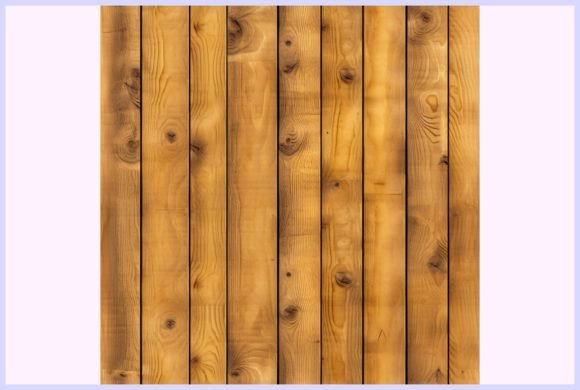
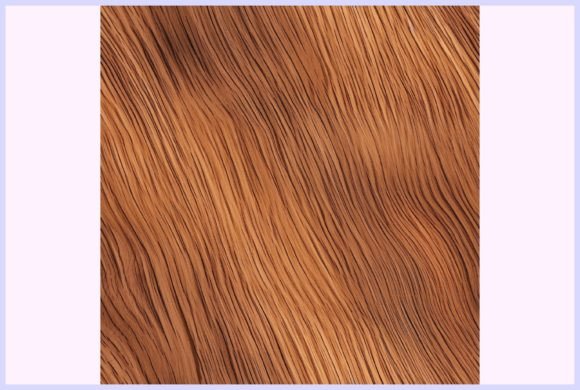
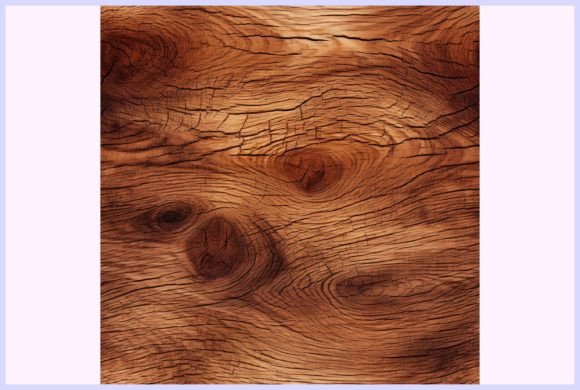
In the landscape of digital design and physical production, texture is rarely just decoration; it is a foundational element of communication. The Brown Wood Seamless Pattern serves as more than a simple background image. It is a versatile, high-resolution asset that bridges the gap between organic warmth and professional polish. For entrepreneurs, marketers, and creators, understanding how to deploy this specific texture can significantly elevate the perceived value of products, stationery, and digital interfaces.
This guide explores the strategic application of the Brown Wood Seamless Pattern, moving beyond basic aesthetics to discuss how thoughtful integration supports branding consistency, operational efficiency, and customer experience. Whether you are designing business cards, planning a scrapbooking project, or developing web graphics, leveraging this seamless tileable feature requires intentionality to achieve long-term results.
Understanding the Asset: Technical Specifications and Versatility
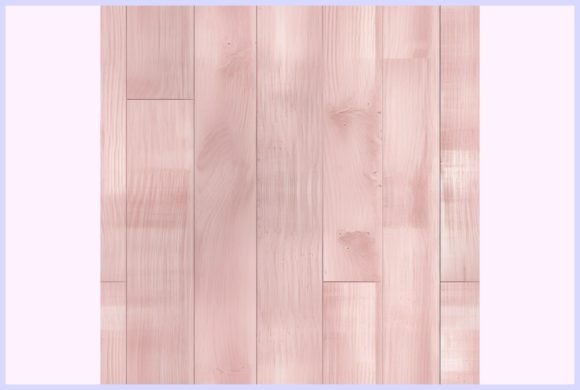
Before integrating any design element into a workflow, one must understand its technical parameters. The Brown Wood Seamless Pattern provided in this collection is engineered for precision and adaptability. Its core specification—a high-resolution JPG file at 2400×2400 pixels with a 300 DPI resolution—ensures clarity across both digital and print mediums. This is not merely a visual preference; it is a functional requirement for maintaining quality.
The pattern is RGB color mode compliant, making it ideal for screens, yet its resolution allows for crisp reproduction on physical surfaces. The "seamless" nature of the pattern means it is repetitive and tileable without visible breaks. This feature is critical for designers who need to cover large areas, such as banners, website backgrounds, or packaging materials, without the distraction of repeating borders or mismatched edges. By using a seamlessly tileable asset, you eliminate the need for manual patching, thereby saving time and reducing errors in your production pipeline.
Why High Resolution Matters for Decision-Making
For small business owners and freelancers, resource allocation is key. Using a low-resolution texture often leads to rework, which consumes valuable time and budget. The 2400×2400 px dimension of this Brown Wood Seamless Pattern provides sufficient data density for most standard printing needs, including cardmaking, invitations, and planner stickers. When you prioritize high-quality assets from the start, you reduce the risk of pixelation upon scaling, ensuring that your final output reflects professionalism and attention to detail.
Strategic Applications Across Business and Creative Sectors
The utility of wood textures extends far beyond rustic aesthetics. In a broader strategic context, the Brown Wood Seamless Pattern acts as a psychological cue. Wood connotes stability, reliability, tradition, and natural authenticity. Leveraging these associations can support your goals in branding, communication, and positioning.
Branding and Identity
For established brands or new ventures seeking to communicate trustworthiness, incorporating wood textures can reinforce brand values. Consider a financial advisor, a law firm, or an artisanal food producer. In these sectors, the brown wood pattern can serve as a subtle backdrop for business cards or letterheads. It suggests a foundation built on solid principles. Unlike stark white or neon colors, the nuanced tones of brown wood provide a calming, authoritative presence that encourages engagement.
- Business Cards: Use the pattern as a full-bleed background with clean, contrasting typography to create a memorable tactile impression.
- Letterheads: A faint, low-opacity application of the seamless pattern can add depth to correspondence without compromising readability.
- Logo Integration: Place logos over the wood texture to ground them in a sense of heritage and craftsmanship.
Digital Presence and Web Graphics
In the digital realm, user experience (UX) is paramount. Websites that feel cold or sterile may struggle to build emotional connections. The Brown Wood Seamless Pattern can be utilized in web graphics to create warm, inviting landing pages or blog headers. Because the pattern is tileable, it can be applied to sidebars, footers, or content containers efficiently. This approach supports productivity by providing a consistent visual language across multiple pages, helping visitors navigate your site with ease.
However, strategic use here demands caution. Overusing texture can distract from content. The goal is to enhance, not obscure. Use the pattern sparingly in digital contexts, perhaps as a section divider or a background for call-to-action buttons, to guide user attention effectively.
Physical Products and Stationery
For hobbyists, educators, and small manufacturers, the versatility of this pattern shines in physical applications. The ability to print over any surface makes it an invaluable tool for DIY projects and decoupage. Imagine creating custom planner stickers, scrapbook pages, or even decorative wooden text effects. The seamless nature ensures that when you repeat the pattern across a larger item, such as a banner or a package wrap, the result looks cohesive and professionally finished.
Consider a teacher preparing educational materials. Using the wood texture for worksheet borders or classroom labels can create a unified, organized aesthetic that fosters a focused learning environment. Similarly, event planners can use the pattern for invitations and signage, evoking a sense of warmth and celebration appropriate for weddings, anniversaries, or corporate retreats.
Planning and Execution: Best Practices for Implementation
To maximize the value of the Brown Wood Seamless Pattern, a structured approach to implementation is necessary. Random application often leads to disjointed designs that fail to communicate a clear message. Instead, adopt a framework that considers context, contrast, and consistency.
1. Define the Objective
Before opening your design software, clarify the purpose of the piece. Are you aiming for elegance? Rustic charm? Professionalism? The brown wood pattern can convey different emotions depending on the accompanying elements. If the goal is modern minimalism, pair the wood texture with ample white space and sans-serif fonts. If the goal is vintage appeal, combine it with serif typefaces and muted color palettes. Aligning the texture with your strategic objective ensures that every design choice contributes to the overall outcome.
2. Manage Contrast and Readability
One of the most common pitfalls in texture usage is poor legibility. The intricate grain of wood can compete with text and other graphical elements. To avoid this, utilize opacity adjustments or overlay layers. Placing a semi-transparent solid color layer over the pattern can soften its impact while retaining its visual character. This technique is particularly useful for stationery and invitations, where clear communication is essential. Ensure that text remains sharp and readable, prioritizing the user’s ability to process information quickly.
3. Consistency Across Touchpoints
For businesses and creators, consistency builds recognition. If you choose the Brown Wood Seamless Pattern for your business cards, consider extending its use to email signatures, social media graphics, and packaging. This creates a cohesive brand identity that reinforces your positioning in the market. However, avoid monotony. Vary the scale and intensity of the pattern across different mediums to maintain visual interest while preserving brand continuity.
Risks and Considerations: Navigating Potential Pitfalls
While the benefits of using this pattern are significant, relying on it without clear goals can yield negative results. Understanding these risks allows for better decision-making and risk mitigation.
Avoiding Visual Clutter
The primary risk of using a detailed texture like wood grain is visual clutter. In an era of information overload, audiences prefer clean, scannable content. Overloading a design with heavy textures can overwhelm the viewer, leading to disengagement. To mitigate this, apply the principle of subtraction. Start with the pattern and remove elements until only what is necessary remains. Let the texture serve as a supporting actor, not the lead.
Contextual Appropriateness
Not all industries benefit from a wood aesthetic. Tech startups, healthcare providers, or luxury fashion brands may find the rustic connotations of wood texture misaligned with their brand voice. Using the pattern inappropriately can send mixed signals about your professionalism or target audience. Conduct a brief audit of your industry norms and competitor strategies before committing to this texture. Ensure that the emotional resonance of brown wood aligns with the perception you wish to cultivate.
Technical Limitations
While the 300 DPI resolution is suitable for most print jobs, always verify the requirements of your printing service. Large-format prints, such as billboards or wide banners, may require higher resolutions to prevent pixelation. Additionally, color management is crucial. RGB files may shift slightly when converted to CMYK for professional printing. Test print a sample to ensure the brown tones match your expectations, adjusting saturation or brightness if necessary.
Long-Term Value and Creativity
Investing in high-quality, versatile assets like the Brown Wood Seamless Pattern pays dividends over time. It reduces the friction in your creative process, allowing you to produce polished work faster. For freelancers and agencies, this efficiency translates to higher throughput and improved client satisfaction. For individual creators, it unlocks new avenues for expression, enabling complex projects like decoupage, scrapbooking, and custom stationery with greater ease.
Moreover, the pattern’s adaptability supports continuous innovation. As trends evolve, you can repurpose the asset for new campaigns, seasonal designs, or product lines. Its timeless appeal ensures that it remains relevant, providing a stable foundation for your creative endeavors. By treating this pattern as a strategic tool rather than a fleeting trend, you position yourself for sustained success in a competitive marketplace.
Conclusion
The Brown Wood Seamless Pattern is a powerful resource for anyone seeking to blend organic warmth with professional precision. From enhancing brand identity to streamlining production workflows, its applications are diverse and impactful. By approaching its use with strategic intent, managing contrast carefully, and considering contextual appropriateness, you can leverage this asset to achieve superior results. Whether you are designing a single business card or launching a comprehensive branding campaign, this seamless pattern offers the flexibility and quality needed to meet your goals. Explore the possibilities, experiment with integration, and unlock the door to endless creativity with this essential design component.