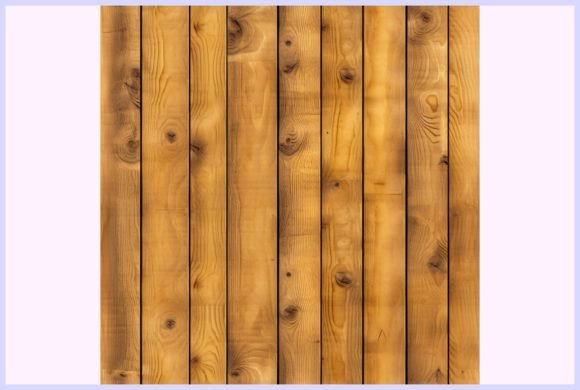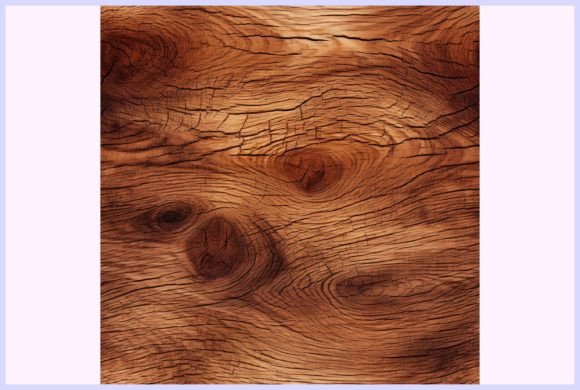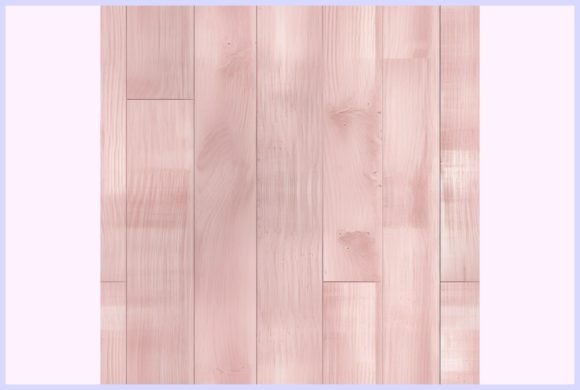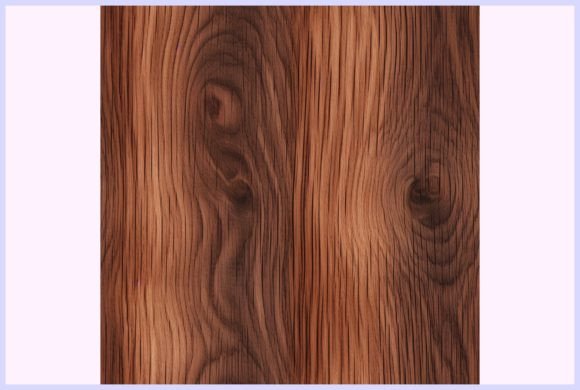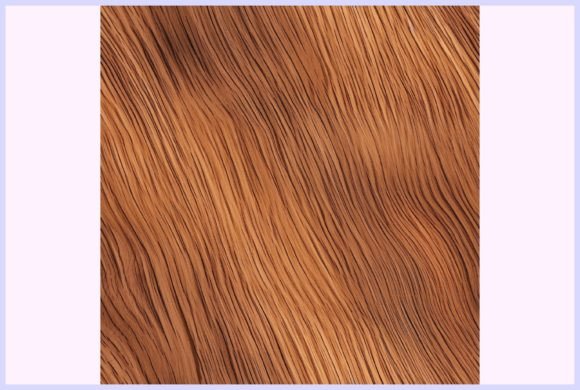
Natural Wood Seamless Pattern: A Strategic Asset for Branding and Design
In the landscape of visual communication, texture is not merely decorative; it is foundational. It establishes tone, conveys quality, and influences perception before a single word is read. Among the vast array of design elements available to creators, entrepreneurs, and marketers, the Natural Wood Seamless Pattern stands out as a versatile tool that bridges the gap between organic authenticity and digital precision. This specific asset class offers more than just a background image; it provides a structural framework for consistent branding, enhanced user experience, and strategic visual storytelling.
Understanding how to leverage a high-resolution, tileable wood texture requires moving beyond simple aesthetic appreciation. It demands a strategic approach to integration. Whether you are designing stationery for a boutique coffee shop, creating web graphics for an eco-friendly startup, or producing packaging for artisanal goods, the way you apply this pattern can significantly impact your results. The following analysis explores the practical applications, technical advantages, and strategic considerations of using Natural Wood Seamless Patterns in professional workflows.
The Strategic Value of Organic Texture in Digital and Print Media
Modern consumers are increasingly skeptical of overly polished, synthetic visuals. There is a growing preference for designs that feel grounded, trustworthy, and human-centric. A Natural Wood Seamless Pattern taps into these psychological cues effectively. Wood is universally associated with stability, warmth, longevity, and craftsmanship. By incorporating this texture into your design projects, you signal these values without relying on explicit copywriting.
For small business owners and freelancers, this translates to immediate brand positioning. A business card featuring a subtle wood grain overlay suggests reliability and tradition, which is particularly effective for legal firms, carpentry services, or financial advisors. Conversely, when used with modern typography and clean layouts, the same pattern can evoke a "handmade" or "artisanal" quality, ideal for crafters, bloggers, and lifestyle brands. The key lies in intentionality. You are not just adding a background; you are setting a contextual stage for your message.
Consistency Across Touchpoints
One of the most significant challenges in brand management is maintaining visual consistency across diverse media. From social media banners to physical invitations, the visual language must remain cohesive. This is where the seamless nature of the pattern becomes a critical operational advantage. Because the Natural Wood Seamless Pattern is designed to repeat without visible seams, it allows for infinite scalability. You can stretch the texture to fit a full-page brochure, scale it down for a planner sticker, or use it as a watermark for digital documents, ensuring that every touchpoint reinforces the same visual identity.
This scalability reduces the need for multiple custom assets. Instead of commissioning unique backgrounds for every project, designers can rely on a library of high-quality seamless patterns. This streamlines the creative process, allowing teams to focus on messaging and layout rather than reinventing the wheel for each new deliverable.
Technical Specifications and Workflow Efficiency
The utility of any digital asset is heavily dependent on its technical specifications. The Natural Wood Seamless Pattern described here comes with robust parameters that cater to both print and digital requirements. Understanding these details is crucial for avoiding costly errors and ensuring professional output.
- High Resolution (2400×2400 px): At 2400 pixels per side, this file offers substantial detail. For print applications, this resolution is sufficient for large-format outputs when paired with the correct DPI settings. For screen-based designs, it ensures crisp rendering on high-density displays, such as Retina screens or modern mobile devices.
- 300 DPI Resolution: This is the industry standard for high-quality printing. If you are producing physical materials like business cards, invitations, or scrapbooking elements, this resolution guarantees that the wood grain remains sharp and distinct, avoiding the pixelation that plagues lower-quality assets.
- RGB Color Mode: As an RGB file, this pattern is optimized for digital use. While many printers prefer CMYK, most modern printing services accept RGB files and handle the conversion internally. However, designers should be aware that colors may shift slightly during this conversion. Testing a small proof print is always recommended for color-critical projects.
- JPG Format: The JPEG format ensures broad compatibility across all major design software, from Adobe Photoshop and Illustrator to Canva and Microsoft PowerPoint. This accessibility makes it easy for non-designers, such as educators or small business owners, to incorporate the pattern into their work without needing specialized skills.
The seamless feature is perhaps the most technically significant aspect. A non-seamless texture would require manual tiling and masking, a time-consuming process prone to error. With a seamlessly tileable pattern, you can fill any canvas instantly. In digital design tools, this is often achieved by simply dragging the image onto the layer or using the "fill" function. In print, it ensures that wrapping paper, fabric prints, or large banners look continuous and professional.
Practical Applications Across Industries
The versatility of the Natural Wood Seamless Pattern allows it to serve various sectors. Below are specific examples of how different professionals can integrate this asset into their workflow to achieve better outcomes.
Entrepreneurs and Small Business Owners
For startups and established small businesses, first impressions matter. Using wood textures in branding materials can enhance perceived value. Consider using the pattern as a background for letterheads or invoice templates. It adds a layer of sophistication that plain white paper lacks, suggesting attention to detail. Furthermore, for product packaging, a wood-textured sleeve or label can differentiate a product on a crowded shelf, appealing to customers who value sustainability and natural materials.
Educators and Content Creators
Educators often struggle to make learning materials engaging. Incorporating visual elements like seamless patterns can break up text-heavy slides or handouts. A teacher might use a subtle wood grain background for educational posters or classroom decorations, creating a warm, inviting environment. Bloggers and publishers can use the pattern for header images or sidebar accents, giving their site a distinctive personality that encourages longer visit durations.
Hobbyists and DIY Enthusiasts
The realm of crafting benefits immensely from high-quality digital assets. Scrapbookers can print the pattern on photo paper to create realistic wooden backdrops for their memories. Decoupage artists can use the JPG file to transfer the texture onto furniture or frames, achieving a faux-wood finish that is durable and visually striking. Planner sticker designers can utilize the pattern to create thematic stickers for weekly planners, adding a touch of rustic charm to organizational tools.
Strategic Considerations and Risk Mitigation
While the benefits are clear, indiscriminate use of textures can lead to negative outcomes. To maximize the value of the Natural Wood Seamless Pattern, one must approach its application with strategic foresight.
Avoiding Visual Clutter
The most common mistake is over-saturation. Wood grain is a busy texture. If placed behind dense text or complex graphics, it can reduce readability and cause visual fatigue. The solution is contrast management. Use lighter variations of the wood pattern for backgrounds and reserve darker, more pronounced grains for accent areas. When placing text, consider adding a semi-transparent overlay or a drop shadow to ensure legibility. The goal is to support the content, not compete with it.
Contextual Relevance
Not every brand needs a wood texture. Using a rustic wood pattern for a sleek, tech-focused SaaS company might send mixed signals about innovation and modernity. Before integrating the pattern, ask: Does this align with my brand voice? Is my target audience responding to organic, warm aesthetics? Strategic alignment ensures that the design serves the business goals rather than distracting from them.
Print vs. Digital Optimization
As noted, the file is RGB. If you are sending files directly to a printer, confirm their color profile preferences. Some commercial printers may request a CMYK version. While conversion tools exist, they can alter the hue of the wood tones. For best results, design in RGB for digital use and consult with your print provider for print-specific adjustments. This proactive step prevents reprints and wasted resources.
Long-Term Value and Scalability
Investing in high-quality, seamless patterns is a long-term strategy for asset accumulation. Unlike stock photos that may become dated or lose relevance, classic textures like wood maintain their appeal over time. They are timeless elements that do not trend in and out of fashion quickly. By building a library of such versatile assets, creators and businesses can reduce future production costs and speed up turnaround times.
Moreover, the ability to seamlessly tile the pattern means that a single purchase can support multiple campaigns. A banner ad, a website hero section, and a printed flyer can all share the same visual foundation, creating a unified brand experience. This cohesion builds trust and recognition, which are essential for long-term customer loyalty.
Conclusion
The Natural Wood Seamless Pattern is more than a decorative file; it is a strategic component of effective design. Its high resolution, seamless tiling capability, and universal appeal make it suitable for a wide range of applications, from digital marketing to physical crafts. By understanding its technical strengths and applying it with intention, professionals can enhance their branding, improve user experience, and achieve clearer communication. The key to success lies not just in having the asset, but in knowing how to deploy it wisely to support your broader objectives.