The Enduring Charm of Rose Seamless Patterns: A Comprehensive Guide to Digital Design and Creative Application
In the vast landscape of digital art and physical crafting, few motifs possess the universal appeal and timeless elegance of the rose. Whether you are a seasoned graphic designer looking for high-quality assets or a hobbyist eager to add a personal touch to your scrapbooks, Rose Seamless Pattern collections have become an indispensable resource. These patterns offer more than just visual beauty; they provide a versatile foundation for creativity that bridges the gap between traditional craftsmanship and modern digital technology.
This article explores the significance of rose seamless patterns, specifically focusing on high-resolution digital assets such as the 1200 × 800 pixel PNG format at 300 dpi. We will delve into how these specific technical specifications empower creators across various industries, from web design to fabric printing, ensuring that your projects look professional, polished, and perfectly aligned with your vision.
Understanding the Basics: What is a Seamless Pattern?
To fully appreciate the utility of a rose seamless pattern, it is essential to understand what "seamless" actually means in the context of digital design. A seamless pattern, also known as a repeating tile, is an image where the edges align perfectly so that when tiled side-by-side or top-to-bottom, no visible seams or breaks appear. This creates the illusion of an infinite surface covered in the design.
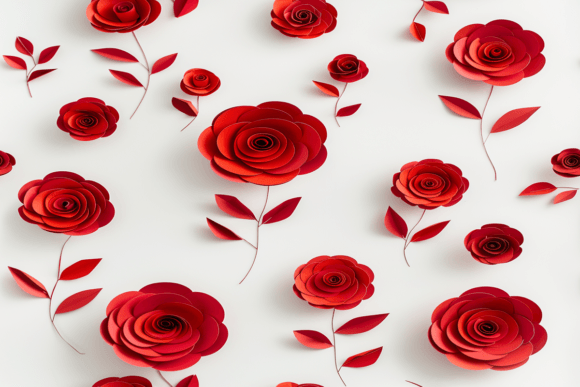
For a rose-themed pattern, this means that the petals, leaves, and stems flow continuously across the canvas. If you were to place two instances of the pattern next to each other, the cut-off elements on the right edge would seamlessly connect with those on the left edge. This technique is crucial for backgrounds, wallpapers, and textiles, where covering large areas without awkward interruptions is necessary.
The Importance of Resolution and Format
Not all digital files are created equal. When purchasing or downloading a Rose Seamless Pattern, the technical details matter immensely. The standard set described here includes one digital paper measuring 1200 × 800 pixels in PNG format at 300 DPI. Let’s break down why these specifics are critical for success:
- Resolution (DPI): DPI stands for Dots Per Inch. A resolution of 300 DPI is considered the gold standard for print materials. It ensures that when the image is printed, it remains crisp and clear, avoiding the pixelation or blurriness that occurs with lower resolutions (like 72 DPI, which is typical for screen-only use). For a rose pattern, this clarity is vital because the intricate details of the petals and veins need to be sharp to convey realism or artistic intent.
- Dimensions (1200 × 800 pixels): While this size is sufficient for many small-scale projects like stickers or business cards, it is important to note that for large-format prints (such as wall murals), you may need to upscale the image using AI tools or purchase a larger version. However, for most craft and digital design needs, this aspect ratio provides a balanced canvas.
- Format (PNG): Portable Network Graphics (PNG) is preferred over JPEG for patterns because it supports transparency and lossless compression. This means the quality does not degrade every time you save the file, and if the pattern has transparent elements, they will remain intact during editing.
Versatility in Modern Creativity: Where to Use Rose Patterns
The versatility of a Rose Seamless Pattern is its greatest strength. Because roses symbolize love, beauty, grace, and sometimes secrecy, they fit naturally into a wide array of contexts. Here is how different users leverage these digital assets in their daily work and hobbies.
Planner Stickers and Scrapbooking
One of the most popular uses for high-quality digital papers is in the creation of planner stickers and scrapbook pages. Enthusiasts often print these patterns on sticker paper to create custom decorations for their journals. The 300 DPI resolution ensures that even when printed on small adhesive labels, the rose details remain distinct. In scrapbooking, these patterns serve as excellent background layers, allowing photographers and artists to frame memories with elegant, thematic borders.
Web Design and Digital Marketing
In the digital realm, first impressions matter. Web designers frequently use seamless patterns to add texture and depth to websites without overwhelming the user with heavy images. A subtle rose pattern can be used as a background for landing pages, particularly for businesses in the wedding, floral, fashion, or wellness industries. Because the pattern repeats infinitely, it loads efficiently and scales well across different screen sizes, providing a consistent aesthetic experience.
Furthermore, social media graphics benefit greatly from these assets. Creating cohesive brand aesthetics on Instagram or Pinterest often involves using matching backgrounds for posts and stories. A rose seamless pattern allows brands to maintain a unified look while varying the foreground content.
Invitations and Stationery
Nothing conveys sophistication quite like a well-designed invitation suite. Whether for weddings, baby showers, or corporate events, Rose Seamless Pattern sets are perfect for creating letterheads, business cards, and formal invitations. The elegance of the rose motif adds a layer of formality and warmth that plain colors cannot achieve. By using a digital paper at 300 DPI, designers ensure that the final printed product looks professional and expensive, enhancing the perceived value of the event or brand.
Craft Projects and Home Decor
For DIY enthusiasts, digital patterns open up endless possibilities for home decor. You can download a rose pattern and use it to create custom wrapping paper, gift tags, or even decoupage items. Imagine applying a rose pattern to a wooden box or a lampshade using transfer techniques. Additionally, these patterns are increasingly used in sublimation printing for fabrics, allowing crafters to create unique t-shirts, tote bags, and pillowcases featuring continuous rose designs.
Practical Tips for Using Digital Papers Effectively
While having access to a Rose Seamless Pattern is half the battle, knowing how to use it effectively is the other half. Here are some best practices to ensure your projects shine.
- Check Your Color Profile: Ensure that your design software (such as Adobe Photoshop, Illustrator, or Canva) is set to the correct color mode. For print projects, use CMYK mode to avoid color shifts, as screens display RGB colors which can look different when printed. For web use, stick to RGB.
- Layering Techniques: Don’t let the pattern dominate the entire composition. Use the rose pattern as a background and overlay solid-colored text boxes or photos to create contrast. This technique, known as "negative space," helps guide the viewer’s eye and prevents visual clutter.
- Scaling Appropriately: Remember that the source file is 1200 × 800 pixels. If you are designing for a large banner, scaling up this image too much may result in pixelation. In such cases, consider searching for higher-resolution vector versions of similar patterns or using upscaling software.
- Consistency Across Media: If you are creating a full brand identity, try to use the same rose pattern across your website, business cards, and packaging. This consistency reinforces brand recognition and creates a memorable customer experience.
Addressing Common Misconceptions
There is a common misconception among beginners that "digital" implies low quality or lack of permanence. However, high-quality digital papers like our 300 DPI PNG rose pattern are archival-grade. They can be printed repeatedly without degradation, provided the original file is preserved. Another myth is that seamless patterns must be complex to be effective. Often, a simple, elegant rose motif repeated cleanly can be more sophisticated than a busy, chaotic design. Simplicity allows the natural beauty of the flower to speak for itself.
Conclusion: Elevating Your Projects with Timeless Elegance
The Rose Seamless Pattern is more than just a decorative element; it is a tool that empowers creativity across a spectrum of mediums. From the intimate act of scrapbooking family memories to the broad reach of global web design, these patterns provide a reliable, beautiful, and professional foundation. By understanding the technical specifications—such as the importance of 300 DPI and PNG formatting—you can ensure that your creative visions are realized with precision and clarity.
Whether you are designing a wedding invitation suite, updating your blog’s aesthetic, or crafting homemade gifts, incorporating a rose seamless pattern adds a touch of classic charm that resonates with audiences. As digital tools continue to evolve, the ability to access and utilize high-quality, versatile assets like these will remain a key skill for both amateur crafters and professional designers alike. Embrace the versatility of the rose, experiment with its applications, and watch your projects transform from ordinary to extraordinary.