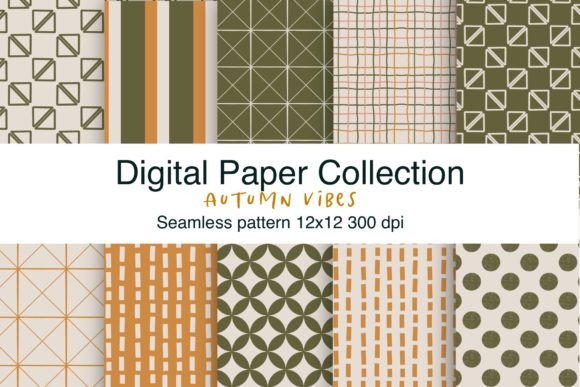
Unlocking the Versatility of Digital Scandi Patterns for Creative Projects
In the rapidly evolving landscape of digital design and DIY crafts, the demand for high-quality, aesthetically pleasing assets has never been higher. Among the myriad of trends that have captured the imagination of creators worldwide, Scandi patterns stand out as a timeless favorite. Rooted in the principles of Scandinavian design—minimalism, functionality, and understated elegance—these patterns offer a clean, modern look that transcends seasonal fads. Whether you are a seasoned graphic designer, a hobbyist scrapbooker, or a small business owner looking to elevate your brand identity, understanding the value and application of digital Scandi patterns is essential. This article explores what these patterns are, why they are so effective, and how you can utilize a versatile digital asset, such as a 1200 × 800 pixel PNG set, to bring your creative visions to life.
The Essence of Scandi Design Aesthetics
To truly appreciate the utility of a Scandi pattern, one must first understand the philosophy behind it. Scandinavian design emerged from the Nordic countries in the mid-20th century, characterized by its focus on simplicity, minimalism, and connection to nature. Unlike ornate Victorian styles or chaotic maximalist trends, Scandi aesthetics rely on negative space, muted color palettes, and geometric precision. When translated into digital patterns, this translates to clean lines, subtle textures, and balanced compositions that do not overwhelm the viewer.
This aesthetic appeal is precisely why Scandi patterns are so ubiquitous in modern web design and interior decor. They provide a sense of calm and order, making them ideal backgrounds for content-heavy websites or focal points in home decor items. For the digital creator, this means that incorporating a Scandi pattern does not just add decoration; it adds context and mood. It signals to the audience that the content associated with the pattern is organized, professional, and thoughtfully curated.
Understanding Your Digital Asset: Specifications Matter
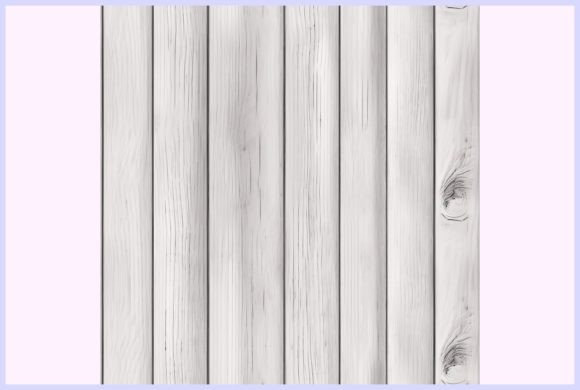
When purchasing or downloading a digital pattern set, technical specifications are just as important as visual appeal. Consider a standard offering: a set containing 1 Scandi Pattern provided as a single digital paper. At first glance, this might seem like a simple transaction, but the details define its usability. The format is typically PNG (Portable Network Graphics), chosen for its lossless compression and support for transparency, although solid background patterns are also common. The resolution is specified at 300 DPI (Dots Per Inch), which is the gold standard for print media.
Why is 300 DPI crucial? If you plan to use your pattern for physical products like planner stickers, fabric printing, or greeting cards, a lower resolution will result in pixelation and blurriness when printed. A 300 DPI file ensures that every line and curve remains crisp and clear, regardless of how much you zoom in during the editing process. Furthermore, the dimensions of 1200 × 800 pixels provide a generous canvas. While this size is sufficient for many digital applications, it also allows for cropping and scaling without significant quality loss, giving you flexibility in layout design.
Practical Applications Across Industries
The versatility of a high-quality Scandi pattern lies in its ability to adapt to various mediums. Below, we explore how this single digital asset can be repurposed across different creative and commercial domains.
1. Planner Stickers and Stationery
The bullet journal and planning community is massive, driven by individuals who seek both organization and artistic expression. A Scandi pattern is perfect for creating planner stickers because its clean lines do not compete with handwritten text. You can use the pattern as a background for date boxes, habit trackers, or decorative borders. Additionally, for stationary and letterhead, a subtle Scandi texture adds a touch of professionalism without appearing sterile. It suggests reliability and clarity, traits highly valued in business correspondence.
2. Scrapbooking and Photo Albums
For physical scrapbookers, the tactile experience is key. Printing a 1200 × 800 pixel PNG at 300 DPI yields a high-resolution sheet that can be cut into various shapes. These patterns serve as excellent backdrops for photographs, providing contrast that makes images pop. In collages, the neutral tones often found in Scandi designs allow vibrant photos to take center stage while maintaining a cohesive theme throughout the album.
3. Web Design and Digital Graphics
In the digital realm, load times and visual hierarchy are paramount. Scandi patterns, being relatively simple in structure, are lightweight files that do not bog down website performance. They are ideal for section dividers, email newsletter backgrounds, or social media post templates. For web graphics, the minimalist nature of the pattern ensures that calls-to-action (CTAs) and navigation menus remain readable. Business cards also benefit from this approach; a thin border of Scandi pattern on a cardstock finish can elevate a standard business card into a memorable keepsake.
4. Craft Projects and Home Decor
The rise of the "maker" movement has led to an explosion in DIY home decor. A Scandi pattern can be used to create custom wrapping paper, gift tags, or even direct-print onto fabric for tote bags and cushions. Because the pattern is seamless (assuming the source file supports tiling), it can cover large surfaces without visible seams. For parties, these patterns work beautifully on invitations and banners, setting a sophisticated tone for weddings, baby showers, or corporate events.
Common Misconceptions About Digital Patterns
Despite their popularity, there are several misunderstandings regarding digital patterns that creators should be aware of.
- "Digital Only Means Screens": Many beginners assume that digital downloads are only for screen use. However, as noted, a 300 DPI PNG is print-ready. The key is ensuring your printer settings match the resolution of the file.
- "Simplicity Equals Boring": There is a fear that Scandi patterns lack personality. In reality, their power lies in their subtlety. They act as a supporting actor, enhancing the main subject rather than distracting from it. This balance is difficult to achieve but results in more polished designs.
- "One Size Fits All": While a 1200 × 800 pixel image is versatile, it is not infinite. Designers must understand aspect ratios. Using a landscape-oriented pattern for a portrait-oriented project requires careful cropping or layering strategies to avoid awkward empty spaces.
Maximizing Value from a Single Pattern Set
Receiving a set of 1 Scandi Pattern might seem limited compared to bundles with dozens of designs, but depth often outweighs breadth. Mastering the use of a single pattern teaches fundamental design principles such as repetition, alignment, and contrast. By experimenting with opacity layers, blending modes in software like Photoshop or Canva, and combining the pattern with typography, you can create entirely new visual effects.
For instance, reducing the opacity of the pattern to 50% creates a watermark effect suitable for secure document backgrounds. Overlaying it with solid colors can generate unique gradients. These techniques expand the utility of your asset far beyond its original appearance, effectively multiplying its value without additional cost.
Conclusion
The integration of Scandi patterns into your creative workflow offers a blend of aesthetic appeal and functional utility. Whether you are designing digital invitations, crafting physical scrapbooks, or branding a small business, the clean, professional look of Scandinavian-inspired designs provides a reliable foundation. By choosing high-resolution assets like the 1200 × 800 pixel, 300 DPI PNG described here, you ensure that your projects look sharp across all platforms. Embrace the simplicity, experiment with the applications, and let the versatility of Scandi patterns enhance your creative output. In a world cluttered with noise, sometimes the most powerful statement is one made with quiet confidence.