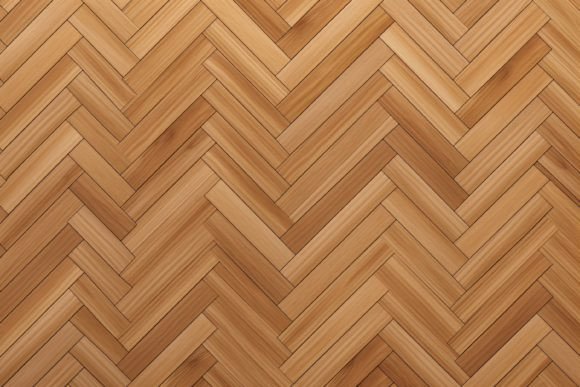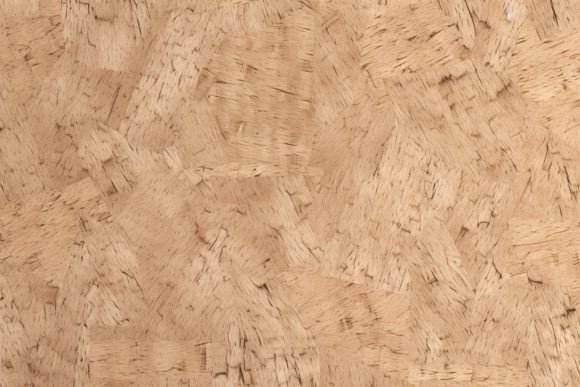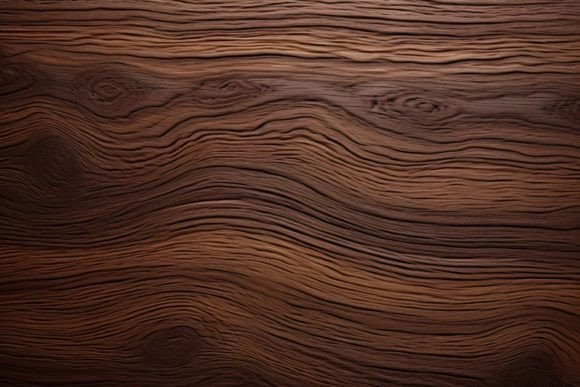
Brown Wood Texture Background for Creative Projects
In a digital landscape saturated with sleek, minimalist vectors and hyper-realistic 3D renders, there is a persistent, grounding desire for authenticity. We crave textures that feel tactile, organic, and real. This is where the Brown Wood Texture background steps in as an indispensable asset. It is not merely a backdrop; it is a foundational element that brings warmth, history, and natural elegance to any design project. Whether you are a seasoned graphic designer crafting a brand identity or a hobbyist creating custom planner stickers, this high-resolution image serves as a versatile canvas that elevates the perceived value of your work.
The visual characteristics of this texture are defined by its rich, earthy tones and intricate grain patterns. Unlike flat colors, wood textures possess depth. The interplay of light and shadow within the grain lines creates a sense of dimensionality that draws the eye in. This particular Brown Wood Texture offers a balance between rustic charm and refined sophistication. It avoids the overly distressed look that can sometimes appear cluttered, opting instead for a clean, readable surface that allows other design elements—text, logos, or illustrations—to take center stage without competing for attention. Its personality is one of reliability and timelessness, making it suitable for brands that want to communicate stability, craftsmanship, and organic quality.
Versatile Applications Across Digital and Print Media
One of the primary strengths of this design asset is its adaptability. In the realm of web design, using a wood texture as a background section can break up monotony and add a layer of visual interest that pure color blocks cannot achieve. Imagine a landing page for a artisanal coffee brand or a boutique furniture store; the brown wood texture immediately sets the tone, suggesting quality materials and handcrafted goods. When paired with a modern sans serif font for body text and a bold display font for headlines, the combination creates a harmonious hierarchy that guides the user’s eye naturally through the content.
For print media, the applications are equally robust. The file details specify a high resolution of 300 DPI at 3000×2000 pixels, which is critical for physical outputs. This ensures that when you use the Brown Wood Texture for business cards, invitations, or stationery, the grain remains crisp and sharp, even upon close inspection. A wedding invitation suite utilizing this texture can evoke a rustic-chic aesthetic, while a corporate report cover might use it subtly to convey grounded professionalism. The RGB color mode makes it ideal for screen-based projects like social media graphics, banners, and email newsletters, ensuring the colors remain vibrant and true to the original design intent.
Crafters and DIY enthusiasts will find this texture particularly useful for decoupage and mixed-media projects. Because the texture is high-quality and detailed, it can be printed over various surfaces to create wooden text effects or to simulate wood-grain finishes on non-wood items. For scrapbookers, it provides a perfect base for photo layouts, adding a cohesive theme that ties together memories with a sense of nostalgia and warmth. The versatility extends to packaging design as well, where sustainable and natural aesthetics are increasingly demanded by consumers. Wrapping a product box in a design featuring this wood texture can instantly signal eco-friendliness and premium quality.
Enhancing Brand Perception and Readability
Typography and texture do not exist in isolation; they interact to shape how an audience perceives a message. Using the Brown Wood Texture correctly can significantly influence readability and visual hierarchy. The key lies in contrast. Because wood textures often contain varying shades of brown, gray, and black, placing white or very light-colored text over it ensures legibility. Conversely, dark text may require a semi-transparent overlay or a drop shadow to stand out effectively. Designers must test these combinations carefully to ensure that the aesthetic appeal does not compromise the functional requirement of clear communication.
This texture also plays a crucial role in brand consistency. If a brand’s identity is built around concepts of nature, heritage, or handcrafted excellence, incorporating this wood texture across all touchpoints—from website headers to business cards—creates a unified visual language. It reinforces brand recognition every time a customer interacts with the material. However, moderation is essential. Overusing texture can lead to visual fatigue. Use the Brown Wood Texture strategically as a supporting element rather than the main focus. Let it frame your content, provide context for your imagery, or serve as a subtle footer background, allowing your core message to shine through.
Practical Guidance for Implementation
To get the most out of this asset, consider the following practical tips during your design process:
- Evaluate Project Fit: Before applying the texture, ask if it aligns with the project’s mood. Is the goal to feel warm and inviting, or strictly corporate and sterile? The brown wood texture leans towards the former, making it less suitable for high-tech or futuristic themes unless used ironically or as a contrasting element.
- Test Font Pairings: Experiment with different typefaces. A classic serif font can enhance the traditional, literary feel of the wood grain, while a clean sans serif font can modernize the look, creating a contemporary editorial design vibe. Script fonts can add a touch of elegance for invitations, but ensure they are large enough to remain readable against the textured background.
- Check Resolution and Scale: While the source file is 3000×2000 px at 300 DPI, always check how it looks at your final output size. Zooming in too much on a scaled-down version might reveal pixelation if not handled correctly in your design software. Ensure your workflow maintains the integrity of the high-resolution data.
- Consider Color Harmony: The RGB color space means the browns will appear differently on screens versus print. If your project involves both digital and physical outputs, perform a soft proof to see how the colors translate. Complementary colors like deep greens, navy blues, or burnt oranges can pop beautifully against the brown wood, enhancing the overall composition.
Ultimately, the Brown Wood Texture background is more than just a decorative image; it is a tool for storytelling. It helps designers and creators build environments that feel lived-in, authentic, and professionally crafted. By understanding its visual properties and applying it with intention, you can elevate your creative projects from ordinary to exceptional. Whether you are designing a logo, laying out a magazine spread, or preparing files for commercial licensing, this asset provides a reliable foundation for achieving a polished, cohesive look that resonates with audiences on a deeper, emotional level.