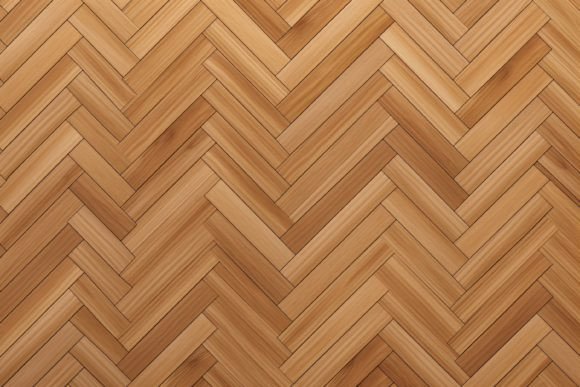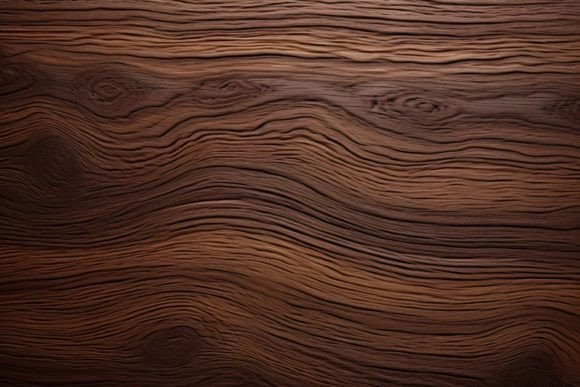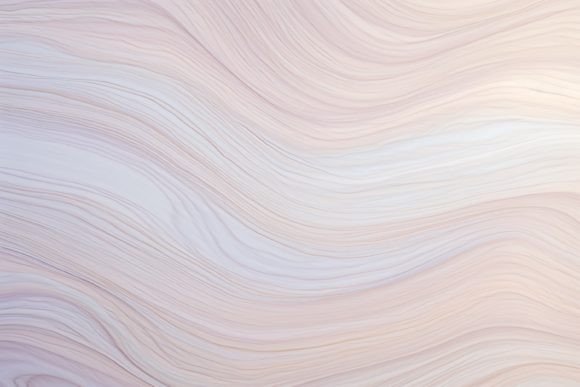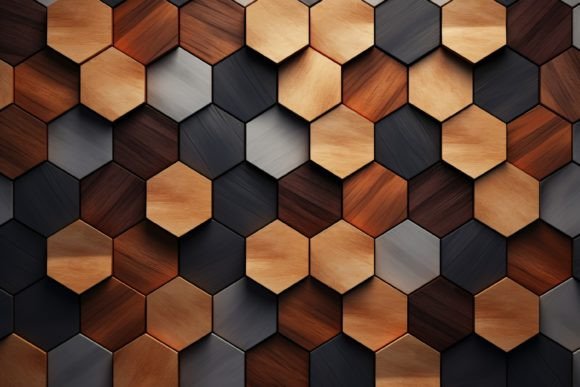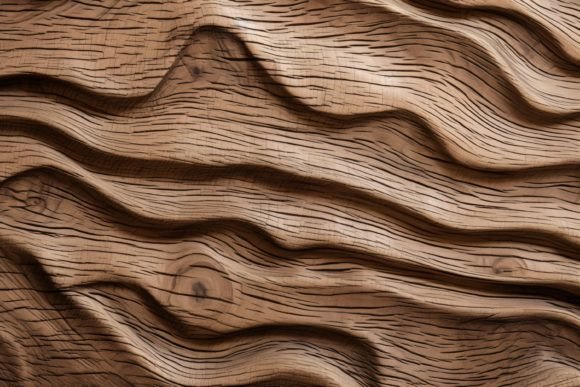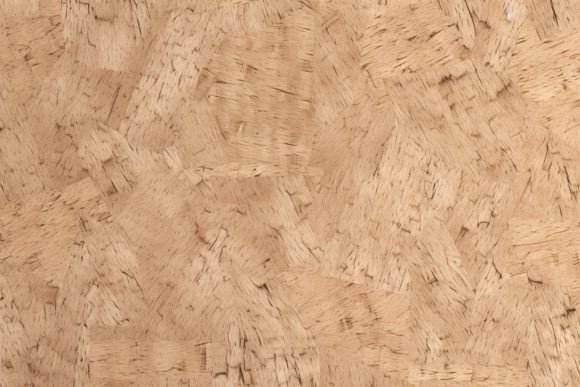
Compressed Wood Texture Background
In the world of digital design and physical craft, texture is often the silent hero. It provides depth, warmth, and a tactile quality that flat colors simply cannot replicate. When you are looking to ground a design in reality or add a layer of organic sophistication to your work, a high-quality Compressed Wood Texture Background becomes an indispensable asset. This specific type of background offers more than just a pretty grain pattern; it serves as a versatile foundation for everything from intricate decoupage projects to sleek corporate branding materials.
The appeal of wood textures lies in their universal recognition. We associate wood with stability, nature, craftsmanship, and timelessness. By leveraging a compressed wood texture, designers and creators can tap into these subconscious associations while maintaining full control over the aesthetic outcome. Whether you are a freelancer designing a brand identity, a hobbyist planning a weekend DIY project, or a marketer crafting a seasonal campaign, understanding how to utilize this resource effectively can elevate your output significantly.
Understanding the Asset: Quality and Specifications
Before diving into creative applications, it is crucial to understand what makes a digital texture truly useful. Not all wood images are created equal. A low-resolution image will pixelate when enlarged, ruining the illusion of realism. The asset described here boasts a High Resolution of 3000×2000 pixels at a resolution of 300 DPI. This specification is vital for print-ready materials.
For those working in RGB color space, this ensures vibrant compatibility with screens and digital platforms, while the high DPI guarantees that when printed, the fine details of the wood grain remain crisp and clear. The "compressed" aspect refers to the density and visual tightness of the grain, which often mimics engineered wood or tightly packed timber. This creates a uniform yet natural look that is easier to blend with other elements than wild, knotty wood patterns. It provides a consistent canvas that doesn’t compete with your primary content but rather supports it.
Creative Applications Across Industries
The versatility of this wood texture allows it to serve multiple audiences. Here is how different professionals can adapt this asset for their specific needs.
Graphic Design and Branding
For marketers and small business owners, consistency is key. A wood texture background can anchor a brand’s visual identity, particularly for businesses in the artisanal, eco-friendly, rustic, or traditional sectors. Imagine a bakery logo placed on a subtle wood grain overlay, or a coffee shop’s menu designed with this texture to evoke the feeling of a cozy, wooden interior.
Practical Tip: Use the wood texture as a background layer and place your text or logos on semi-transparent white or black boxes. This technique, known as "layering," ensures readability while allowing the texture to peek through, adding depth without compromising legibility. For web graphics, ensure the file size is optimized for fast loading, even if the source is high-resolution.
Stationery and Print Media
Invitations, business cards, and stationery sets benefit immensely from the tactile suggestion provided by wood textures. Even though the final product is paper, the visual cue of wood can communicate quality and care.
- Wedding Invitations: A compressed wood texture works beautifully for rustic or bohemian wedding themes. It pairs elegantly with floral illustrations or minimalist typography.
- Business Cards: Using this texture as a full-bleed background can make a card stand out in a stack. Consider using spot UV coating in the printing phase to highlight specific areas, mimicking the sheen of varnished wood.
- Banners and Flyers: For local events or community announcements, a wood background adds a grounded, approachable feel compared to stark white or neon backgrounds.
Digital Content and Social Media
Bloggers and content creators constantly need fresh visuals. A Wood Texture Background can be used to create custom headers for blog posts, Instagram story templates, or YouTube thumbnails. The neutral tones of most wood textures allow colorful icons, emojis, and text overlays to pop without clashing.
Consider creating a series of educational graphics where each post features a different angle or lighting variation of the same wood texture. This creates a cohesive feed aesthetic that looks professional and curated. For e-commerce sellers, placing product photos against a wood background can simulate a lifestyle setting, helping customers visualize the item in a home environment.
DIY Projects and Physical Crafts
While digital uses are prevalent, this asset is equally powerful for physical creation. The mention of decoupage and printing over any surfaces highlights its utility in the maker community.
Decoupage involves gluing paper cutouts onto objects and sealing them. By printing this high-resolution wood texture on high-quality paper, you can transform plain furniture, picture frames, or storage boxes to look like solid wood. The 3000×2000 px resolution ensures that even if you scale the image up to cover a large surface area, the grain remains detailed enough to fool the eye.
Project Idea: Create custom planner stickers. Print the wood texture on sticker paper, cut it into geometric shapes (squares, circles, stripes), and use them as borders or backgrounds in your bullet journal. These "faux wood" elements can add a warm, organized aesthetic to your planning pages.
Cardmaking and Scrapbooking
Hobbyists often struggle to find backgrounds that don’t overpower their photos or embellishments. A compressed wood texture strikes the perfect balance. It has enough detail to be interesting but not so much chaos that it distracts. Use it as a base layer in scrapbook layouts, then layer on photos, washi tape, and handwritten notes. The wood acts as a unifying element that ties disparate components together.
Technical Best Practices for Implementation
To get the most out of your Compressed Wood Texture Background, consider these technical recommendations:
- Color Correction: Since the file is in RGB, check the white balance on your monitor. Some wood textures lean too yellow or red. Adjust the hue/saturation slightly to match your brand palette or the mood of your project.
- Opacity Blending: Don’t always use the texture at 100% opacity. Lowering the opacity to 50-70% and blending it with a solid color can create unique, muted effects that are softer on the eyes.
- Resolution Management: Always keep the original 3000×2000 px file saved. If you need to resize for a web banner, downscale it. Never upscale a smaller version, as this will result in pixelation.
- Contrast Check: Before finalizing any design, step back and check the contrast between your text/elements and the wood grain. If the grain is too busy in a specific area, blur that section slightly or add a shadow behind your text to separate it from the background.
Conclusion: Elevating Your Creativity
A Wood Texture Background is more than just a backdrop; it is a tool for storytelling. It communicates heritage, sustainability, and craftsmanship before a single word is read. By utilizing a high-resolution, well-specified asset like the Compressed Wood Texture Background, you ensure that your designs—whether digital or physical—are built on a foundation of quality.
Whether you are designing a sophisticated invitation suite, launching a new website, or upcycling an old piece of furniture, this texture offers endless possibilities. The key is to experiment with layering, opacity, and context. Let the texture guide your aesthetic choices, and you will find that your projects gain a level of polish and professionalism that resonates with your audience. Start applying these ideas today, and watch your creative output transform from ordinary to exceptional.