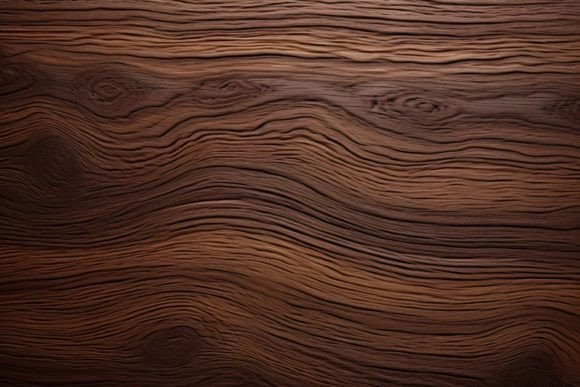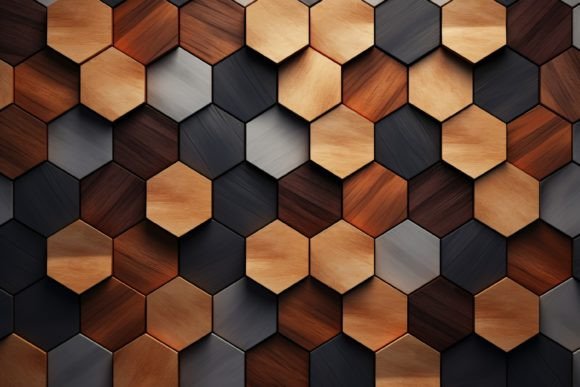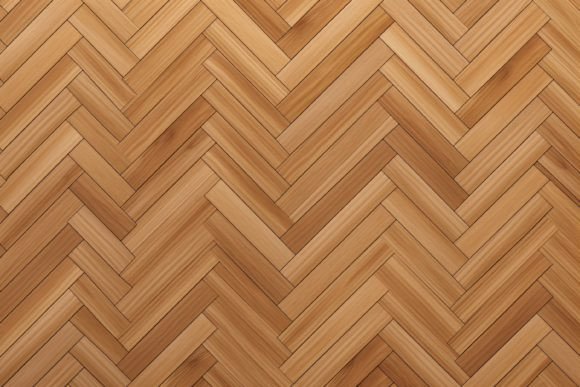
Wood Parquet Texture Background
In the realm of digital design, physical craft, and graphic production, the choice of background texture plays a pivotal role in defining the aesthetic tone and perceived quality of a final product. Among the myriad options available to designers and hobbyists, the Wood Parquet Texture Background, specifically one featuring a herringbone pattern made of narrow planks, has emerged as a versatile and sophisticated asset. This specific texture is not merely a decorative element; it is a functional tool that can elevate projects ranging from high-end stationery to web graphics.
Understanding the nuances of this digital asset requires looking beyond its visual appeal. It involves evaluating its technical specifications, its practical applications across various mediums, and the strategic considerations involved in its use. For those researching, comparing, or selecting textures for their next project, this analysis provides a comprehensive overview of what this wood parquet texture offers, where it excels, and when alternatives might be more appropriate.
Defining the Asset: What Is a Wood Parquet Texture?
A Wood Parquet Texture Background refers to a digital image designed to replicate the appearance of wooden flooring laid in a geometric pattern. The specific variant discussed here features a herringbone pattern. Unlike the standard brick-like layout of some parquet styles, the herringbone pattern consists of rectangular planks arranged at 90-degree angles to each other, creating a distinctive V-shaped zigzag effect. In this particular design, the planks are described as "narrow," which adds a layer of intricacy and elegance to the overall look.
The technical details provided indicate that this is a high-resolution JPG file with dimensions of 3000×2000 pixels and a resolution of 300 DPI. These specifications are critical for determining the suitability of the texture for different output methods. The RGB color mode ensures compatibility with standard digital workflows, while the high resolution guarantees sharpness when printed at reasonable sizes.
Applications and Use Cases
The versatility of this texture stems from its ability to mimic natural materials digitally. This makes it particularly valuable in industries where physical wood samples are impractical, expensive, or inconsistent. Below are the primary areas where this texture finds utility:
- Print Production: Due to its 300 DPI resolution, this texture is ideal for offset printing and high-quality digital printing. It is well-suited for business cards, invitations, banners, and stationery sets where a tactile, premium feel is desired without the cost of actual wood veneer.
- Digital Design: In web graphics and UI/UX design, wood textures can evoke warmth, stability, and tradition. This background can serve as a backdrop for landing pages, blog headers, or promotional materials for brands in real estate, craftsmanship, or heritage sectors.
- Crafting and DIY: For enthusiasts of decoupage, scrapbooking, and planner stickers, this texture offers a ready-made element that can be cut, layered, and adhered to various surfaces. Its high resolution allows for clean cuts and detailed rendering even when scaled down.
- Typography and Text Effects: Designers often use textures to create "wooden text effects." By applying this background as a clipping mask or overlay on typography, one can achieve realistic 3D lettering that appears carved or mounted onto wood.
Evaluating Benefits and Tradeoffs
When considering the integration of a Wood Parquet Texture Background into a project, it is essential to weigh its advantages against potential limitations.
Benefits
Cost-Effectiveness: Using a digital texture eliminates the need for sourcing, purchasing, and installing physical wood materials. This is particularly beneficial for small-batch productions or prototypes where the cost of real wood would be prohibitive.
Consistency: Natural wood varies in grain, color, and imperfection. A digital texture provides a uniform appearance across all instances, ensuring brand consistency in multi-page documents or large-scale print runs.
Flexibility: As an RGB JPG file, the texture can be easily manipulated in graphic design software. Users can adjust opacity, blend modes, and colors to suit different lighting conditions or thematic requirements.
Tradeoffs and Considerations
Scalability Limits: While 3000×2000 pixels is considered high resolution, it is not infinite. If a designer attempts to scale this texture up for large-format prints such as wall murals or billboards, the individual pixels may become visible, resulting in a loss of detail and a "pixelated" appearance. For very large formats, vector-based wood textures or higher-resolution raster images would be necessary.
Saturation and Realism: Digital textures can sometimes appear flat or overly saturated compared to real wood, which interacts with light in complex ways (specular highlights, shadows within grain). Achieving photorealism requires careful blending and lighting adjustments in post-production.
Color Mode Limitations: The file is provided in RGB color mode. If the final output is intended for professional offset printing, the colors may shift slightly during the conversion to CMYK. Designers should preview their designs in CMYK mode before finalizing the print job to ensure color accuracy.
Strategic Decision-Making: When to Choose This Texture
Selecting the right background depends heavily on the goals of the project. Here are scenarios where this specific Wood Parquet Texture Background is a strong fit:
- Projects Requiring Warmth and Tradition: If the goal is to convey reliability, craftsmanship, or a connection to nature, the organic lines of the herringbone pattern are highly effective. This is ideal for boutique hotels, artisanal food packaging, or legal and financial firms wanting to project stability.
- Small to Medium Format Prints: For items like business cards (standard 3.5x2 inches), flyers, or social media graphics, the 3000×2000 pixel resolution is more than sufficient to maintain crisp edges and clear detail.
- Rapid Prototyping: When testing design concepts quickly, using a digital texture allows for immediate visualization without waiting for physical samples. This accelerates the feedback loop in the design process.
Conversely, there are situations where alternatives may be worth considering:
- Large-Scale Environmental Graphics: For interior design mockups involving full walls or floors, the limited pixel count may result in blurriness. In such cases, investing in a texture with dimensions exceeding 8000 pixels on the long edge, or using vector patterns, would yield better results.
- Highly Dynamic Lighting Scenarios: If the design requires complex lighting interactions, such as deep shadows cast by furniture onto the floor, a simple static background may fall short. Advanced 3D rendering or textured brushes might be more appropriate.
- Specific Brand Color Matching: If the brand requires a very specific wood stain color that does not match the RGB profile of this texture, significant color correction may be needed. In some cases, starting with a neutral gray wood texture and tinting it via adjustment layers might offer more control.
Practical Implementation Tips
To maximize the effectiveness of this Wood Parquet Texture Background, consider the following practical steps:
Layering Techniques: Do not rely on the texture alone. Combine it with subtle overlays, such as a slight noise filter or a gradient map, to add depth and reduce the "digital" look. Using blend modes like "Multiply" or "Overlay" can help integrate the texture with underlying elements more naturally.
Contrast Management: Wood textures often have medium-to-dark tones. Ensure that any text or foreground elements placed over this background have sufficient contrast. Light-colored text with a drop shadow or outline will likely perform best against the intricate herringbone pattern.
File Optimization: Although the source file is a high-resolution JPG, save working files in a non-destructive format like PSD or TIFF if further editing is planned. This preserves the quality of the image during multiple saves and edits.
Conclusion
The Wood Parquet Texture Background with a herringbone pattern of narrow planks is a robust and adaptable resource for a wide array of creative endeavors. Its high resolution and specific structural details make it particularly suited for print media, digital graphics, and crafting projects where a touch of classic elegance is desired. However, users must remain mindful of its scalability limits and color mode constraints.
By understanding these characteristics and aligning them with project requirements, designers and creators can make informed decisions about when and how to utilize this texture. Whether used to enhance a business card or form the basis of a web design, this asset offers a reliable way to introduce the warmth and sophistication of wood into digital and printed works.