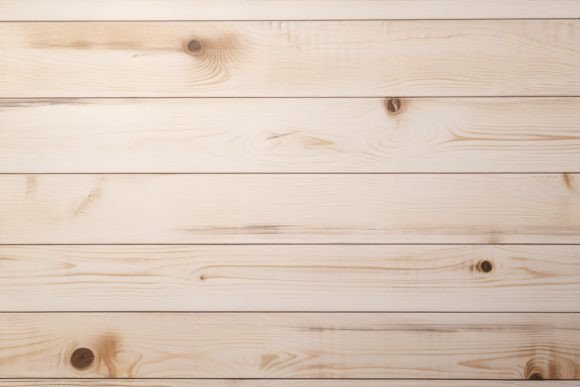
White Wooden Panel Background for Design Projects
In the world of visual design, texture is often the unsung hero that elevates a flat image into something tactile and compelling. Among the myriad of textures available to creators, the White Wooden Panel Background stands out as a versatile staple. It offers a clean, modern aesthetic that bridges the gap between rustic warmth and contemporary minimalism. Whether you are a graphic designer crafting a brand identity, a hobbyist working on a scrapbook, or a marketer designing digital ads, understanding how to leverage this specific texture can significantly enhance your final output.
This particular background is not just a simple white canvas; it carries the subtle grain, knots, and structural lines of real wood, but rendered in a bright, airy palette. This combination makes it incredibly adaptable. It provides enough character to avoid looking sterile while remaining neutral enough to let other elements—like text, logos, or product photos—take center stage. The high resolution of 3000×2000 pixels ensures that even when scaled up for large prints, the details remain crisp, avoiding the pixelation that plagues lower-quality stock images.
Key Characteristics and Technical Specifications
Before diving into applications, it is crucial to understand what makes this asset valuable from a technical standpoint. The file is provided in JPG format, which is widely compatible across almost all design software, from Adobe Photoshop and Illustrator to Canva and Microsoft PowerPoint. However, compatibility is only half the battle; quality is paramount.
The resolution of 300 DPI (dots per inch) is the industry standard for high-quality printing. This means that if you were to print this background at a reasonable size, such as an A4 sheet or a standard business card, the image would appear sharp and professional. For digital use, where screen density varies, this high-resolution source allows you to crop and resize without losing clarity. The RGB color mode is optimized for screens, ensuring that the whites remain true and the wood tones retain their natural vibrancy rather than appearing muddy or dull.
The dimensions of 3000×2000 pixels provide a generous workspace. This aspect ratio is suitable for both landscape-oriented designs, like banners and website headers, and portrait-oriented layouts, such as invitations and mobile app backgrounds. The sheer volume of pixels allows for detailed cropping, enabling you to isolate specific sections of the wood grain for unique effects.
Practical Applications Across Industries
The versatility of a White Wooden Panel Background lies in its ability to fit seamlessly into diverse creative disciplines. Here is how different professionals and hobbyists can utilize this resource effectively.
Digital Marketing and Web Design
For web designers and marketers, first impressions matter. A clean, textured background can make a landing page feel more trustworthy and established compared to a plain white or solid color block. Use the White Wooden Panel Background as a backdrop for product photography. The neutral tone ensures that the product’s colors pop without distraction. It works exceptionally well for e-commerce sites selling artisanal goods, home decor, or organic products, where a connection to nature and craftsmanship is desired.
Additionally, this texture serves as an excellent base for creating wooden text effects. By overlaying bold typography onto the panel, you can create a 3D illusion that adds depth to headlines and call-to-action buttons. This technique is particularly effective for blog posts and social media graphics, where engagement relies on visual interest.
Print Media and Stationery
In the realm of physical print, the 300 DPI resolution shines. Business cards printed on this background convey a sense of premium quality and attention to detail. Imagine a minimalist business card with a company logo embossed or foil-stamped over the subtle wood grain—it suggests sophistication and reliability.
Similarly, for event planners and stationery designers, this background is ideal for wedding invitations, save-the-dates, and thank-you cards. The white wood texture evokes a "shabby chic" or Scandinavian aesthetic, which remains popular in modern weddings. It pairs beautifully with watercolor illustrations, floral accents, and elegant script fonts.
Crafting and DIY Projects
For crafters, decoupage and cardmaking are primary uses. You can print the texture onto thin paper or cardstock and adhere it to boxes, frames, or furniture pieces to give them a fresh, updated look. The high resolution ensures that when you cut out shapes or patterns, the edges remain clean and the texture within those shapes looks realistic.
Scrapbooking enthusiasts can also benefit from this asset. Instead of buying expensive patterned papers, you can print multiple copies of the wood texture at various scales. This allows for consistency across a project while providing the flexibility to mix and match different sections of the grain for a cohesive yet dynamic layout.
Benefits of Using High-Resolution Wood Textures
Why invest time in using a high-quality asset like the White Wooden Panel Background instead of creating your own or using a low-res alternative? The benefits extend beyond mere aesthetics.
- Enhanced User Experience: In digital design, subtle textures reduce visual fatigue. A completely flat screen can be harsh on the eyes, whereas a soft, organic texture provides a gentle visual break, improving readability and user engagement.
- Brand Consistency: For businesses, having access to consistent, high-quality textures allows for uniform branding across both digital and print materials. The white wood theme can become a recognizable part of your visual identity, signaling cleanliness, simplicity, and eco-friendliness.
- Efficiency in Workflow: Having a pre-made, high-resolution background saves hours of hunting for the right image or attempting to simulate wood grain manually. It allows designers to focus on composition and messaging rather than troubleshooting image quality issues.
- Professional Appearance: Nothing undermines credibility faster than pixelated or blurry images in print. The 300 DPI resolution guarantees that your business cards, brochures, and posters look professionally produced, reinforcing trust with clients and customers.
Practical Considerations and Best Practices
While the asset is robust, successful implementation requires thoughtful consideration. First, always check the contrast between your foreground elements and the background. Since the background is predominantly white with light gray/brown grains, dark text will stand out clearly. However, if you are using light-colored overlays, ensure they have sufficient contrast to remain legible.
When using this background for print, remember to convert your final file to CMYK color mode if your printer requires it, even though the source is RGB. This step prevents unexpected color shifts during the printing process. Additionally, consider the scale of the wood grain. If you are using the texture for a small item like a planner sticker, you may need to zoom in on the original 3000×2000 image to capture a tighter section of the grain, making the texture more visible and impactful at a smaller size.
Finally, think about the emotional tone you wish to convey. White wood suggests purity, freshness, and modernity. Avoid pairing it with overly cluttered or dark, heavy elements unless you are aiming for a stark contrast. Instead, lean into complementary palettes of greens, blues, or soft pastels to maintain a harmonious and inviting atmosphere.
By integrating the White Wooden Panel Background into your workflow, you add a layer of sophistication and realism that resonates with audiences. It is a simple change that yields significant results, proving that sometimes, less is indeed more. Whether you are updating your website, designing a new brochure, or starting a weekend craft project, this texture offers a reliable foundation for creativity.