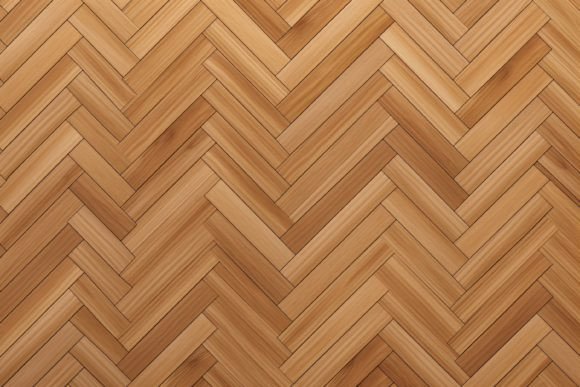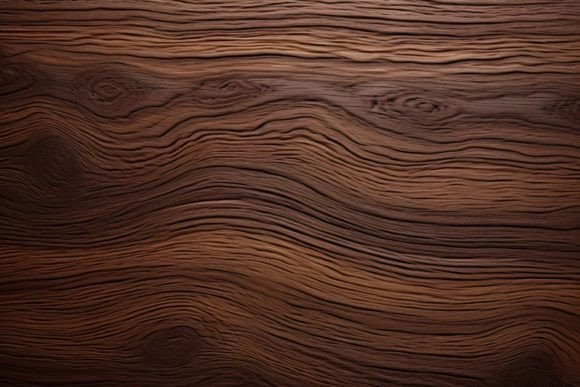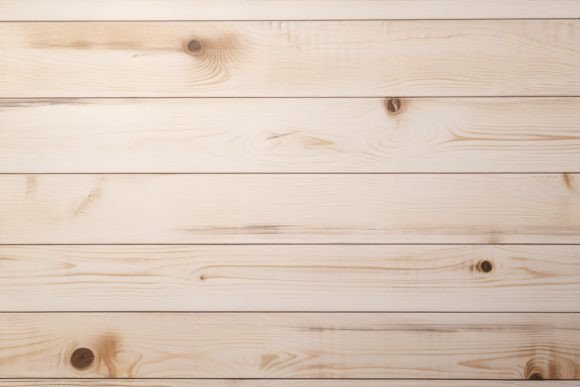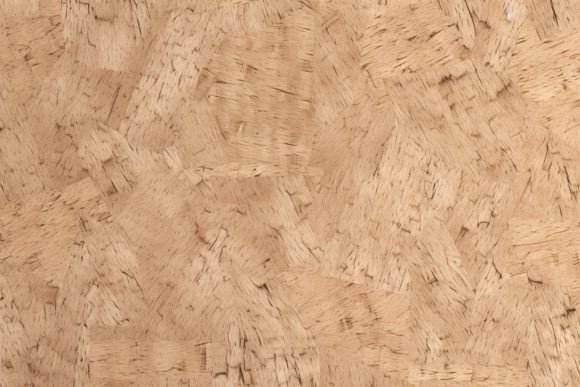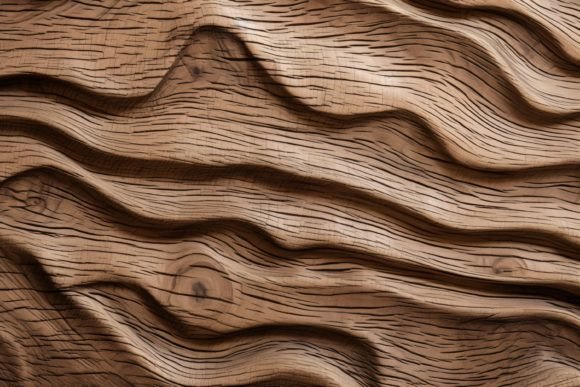
3D Wooden Texture Background
In the realm of digital design and physical craft, the choice of background texture plays a pivotal role in defining the aesthetic tone and perceived quality of a project. Among the various textures available to designers and hobbyists, wood remains a perennial favorite due to its organic warmth, structural reliability, and timeless appeal. Specifically, a 3D Wooden Texture Background offers a sophisticated solution for those seeking depth and realism without the logistical challenges of sourcing actual materials. This article evaluates the utility, technical specifications, and practical applications of high-resolution wood textures, helping creators determine if this asset aligns with their specific project requirements.
Understanding 3D Wooden Texture Backgrounds
A 3D wooden texture background is a digital image designed to simulate the visual characteristics of wood grain, knots, and surface imperfections with a high degree of realism. Unlike flat vector illustrations or simple color fills, these backgrounds utilize lighting, shadow, and gradient techniques to create an illusion of depth. When applied correctly, they can make flat digital designs appear as though they are printed on actual timber, or they can serve as a rich, tactile foundation for graphic compositions.
The term "3D" in this context refers to the visual perception of volume rather than a three-dimensional file format like OBJ or FBX. These are typically raster images that mimic the way light interacts with a textured surface. For instance, a well-rendered wood texture will show subtle highlights along the grain lines and deeper shadows in the crevices, creating a sense of dimensionality that engages the viewer’s eye.
Technical Specifications and Quality Indicators
When evaluating a digital texture asset, technical specifications are critical to ensuring the final output meets professional standards. The details provided for this specific wood texture highlight several key attributes that influence its usability:
- File Format: The asset is provided as a JPG file. JPEG is a widely supported format compatible with almost all design software, from Adobe Photoshop and Illustrator to Canva and Microsoft Office. However, users should be aware that JPEG uses lossy compression, which may introduce minor artifacts in areas of high contrast compared to uncompressed formats like TIFF or PNG.
- Resolution and Dimensions: With dimensions of 3000×2000 pixels, this background offers a substantial canvas size. This resolution is sufficient for large-format prints, such as banners or posters, while remaining manageable for screen-based projects.
- DPI (Dots Per Inch): A resolution of 300 DPI is the industry standard for high-quality printing. This ensures that when the texture is scaled down for business cards, invitations, or stationery, the image remains sharp and free from pixelation.
- Color Mode: The file is in RGB color mode. This is essential for digital displays, web graphics, and most modern inkjet printers. If a user intends to send the file to a commercial printer using CMYK processes, they may need to convert the color profile to avoid shifts in hue or saturation.
Primary Use Cases and Applications
The versatility of a high-resolution wood texture makes it suitable for a diverse range of creative endeavors. Below are the primary categories where this asset adds significant value.
Print Design and Stationery
For professionals designing business cards, letterheads, and corporate identity packages, a wood texture can convey stability, eco-friendliness, and craftsmanship. It serves as an excellent base for typography, allowing text to stand out against the natural grain. Similarly, for event planning, wood textures are ideal for wedding invitations, save-the-date cards, and rustic-themed banners. The texture adds a layer of sophistication that plain white paper cannot achieve.
Digital Graphics and Web Design
In the digital space, UI/UX designers often use wood textures to create warm, inviting interfaces for blogs, e-commerce sites selling handmade goods, or interior design portfolios. As a background element, it provides visual interest without overwhelming the primary content. Web graphics, social media headers, and email newsletters can also benefit from the organic feel of wood, helping brands connect with audiences on a more emotional level.
Crafting and DIY Projects
One of the most unique advantages of a digital wood texture is its application in physical crafting. Through a process known as decoupage, individuals can print the texture onto thin paper or tissue and adhere it to furniture, boxes, or frames to give them a faux-wood finish. This is particularly useful for upcycling old items or creating custom decor without the cost and effort of refinishing real wood. Additionally, scrapbookers can use printed versions of the texture to create realistic borders or backdrops for photo layouts.
Planner Stickers and Cardmaking
The rise of digital planning has created a demand for printable sticker sheets. Wood textures are perfect for creating "knob" stickers, frame elements, or decorative accents for bullet journals and planners. In traditional cardmaking, printing the texture over blank cards allows artists to add watercolor effects, stamps, or die-cuts, achieving a mixed-media look that mimics handcrafted art.
Evaluating Benefits and Tradeoffs
While a 3D wooden texture background offers numerous advantages, it is important to consider potential limitations before integrating it into a workflow.
Benefits
- Cost-Effectiveness: Compared to purchasing physical wood veneers or specialized printing services, a digital asset is a one-time purchase that can be used infinitely across multiple projects.
- Consistency: Digital textures provide uniformity. Every printout or digital mockup will have the exact same grain pattern, which is crucial for branding consistency.
- Flexibility: Designers can easily adjust opacity, blend modes, and color overlays to adapt the wood texture to different themes, from dark and moody to light and airy.
Considerations and Limitations
- Seamlessness: Unless specifically tiled, a single image of 3000×2000 px may not cover very large surfaces without repeating patterns. Users covering expansive areas like wall murals may need to stitch multiple images together.
- Realism vs. Abstraction: While 3D textures are realistic, they can sometimes look "too perfect" or artificial if not blended properly with other elements. Overuse of the texture can lead to visual clutter.
- File Size Management: High-resolution RGB files can be large. Users working on older computers or limited bandwidth environments may experience slower loading times or editing lag.
Decision-Making Insights: Is This Right for You?
Selecting the right background depends largely on the end goal of the project. A 3D Wooden Texture Background is a strong fit for:
- Brands emphasizing nature or sustainability: If your brand story revolves around eco-consciousness, organic materials, or artisanal quality, this texture reinforces those values visually.
- Projects requiring tactile appeal: Whether for a physical invitation or a website header, if you want the audience to feel a sense of warmth and comfort, wood is an effective psychological trigger.
- DIY enthusiasts: For those who enjoy hands-on crafts, the ability to print and apply this texture via decoupage opens up creative possibilities that go beyond screen-based design.
Conversely, alternatives may be worth considering if:
- Minimalism is the priority: If the design requires a clean, uncluttered look, a solid color or subtle gradient might be more appropriate than a busy wood grain.
- Vector scalability is needed: If the design must be resized frequently across various platforms without any loss of quality, a vector-based wood illustration might be more practical than a raster JPG.
- CMYK printing is strict: If working with a traditional offset printer who requires pre-flattened CMYK files, converting an RGB JPG may result in unexpected color shifts that require manual correction.
Conclusion
A 3D Wooden Texture Background is a versatile, high-quality asset that bridges the gap between digital design and physical craftsmanship. With its 300 DPI resolution and RGB compatibility, it is well-suited for everything from high-end stationery to web graphics. By understanding its technical parameters and applying it thoughtfully within the context of your project goals, you can leverage the organic beauty of wood to enhance the visual impact of your work. Whether you are a professional designer looking to add depth to a layout or a hobbyist seeking to elevate a DIY project, this texture provides a reliable and aesthetically pleasing foundation.