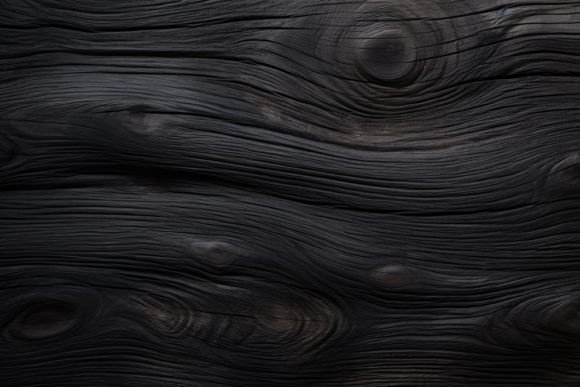
Black Wood Texture
In the realm of digital design and physical craft, few elements convey as much sophistication and tactile warmth as natural materials. Among these, the black wood texture has emerged not merely as a stylistic choice but as a fundamental tool for creators who demand depth, contrast, and elegance in their work. Whether you are a graphic designer crafting a brand identity, a hobbyist planning a weekend DIY project, or a business owner looking to elevate your stationery, understanding the utility and aesthetic power of high-resolution wood backgrounds is essential.
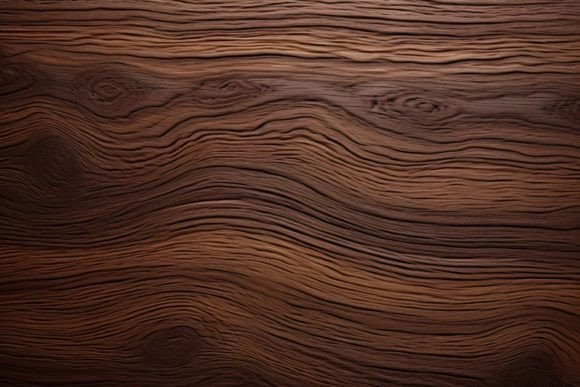
This specific visual resource—a high-quality JPG file measuring 3000×2000 pixels at 300 DPI in RGB color—represents more than just an image; it is a versatile canvas. It bridges the gap between digital precision and organic imperfection, offering a foundation that feels grounded yet modern. As we move further into an era where hybrid workflows (combining digital creation with physical output) are the norm, having access to such precise textures allows professionals to maintain consistency across all touchpoints.
The Evolution of Dark Aesthetics in Design
Gone are the days when light, airy, and minimalist white spaces were the only markers of modern design. The rise of "dark mode" interfaces, luxury branding, and moody photography has shifted user expectations toward deeper, richer palettes. Black wood texture fits perfectly into this trend, providing a sophisticated alternative to flat black backgrounds. While solid black can feel sterile or harsh, the subtle grain, knots, and variations inherent in a realistic wood texture add layers of interest without cluttering the composition.
This shift is driven by a desire for authenticity. Consumers and users alike are fatigued by overly polished, artificial-looking graphics. They crave designs that hint at the real world. A black wood background suggests durability, heritage, and premium quality. For entrepreneurs and marketers, leveraging this texture can subconsciously signal that a product or service is sturdy, reliable, and high-end. It is a psychological cue that works effectively in everything from tech startups positioning themselves as robust infrastructure providers to artisanal brands selling handcrafted goods.
Why Resolution and Format Matter
When sourcing textures for professional use, technical specifications are just as important as visual appeal. The details provided for this particular asset—JPG File High Resolution – 3000×2000 px, Background Size – 300 DPI, and RGB Color—are critical for ensuring versatility across different mediums.
- High Resolution (3000×2000 px): This pixel count provides ample detail. It allows designers to zoom in on specific areas of the grain without encountering pixelation or blurriness. This is crucial for large-format prints like banners or posters, where every square inch needs to look crisp.
- 300 DPI Resolution: Dots Per Inch is the standard for print-ready materials. At 300 DPI, the texture will reproduce faithfully on paper, cardstock, or fabric. Lower resolutions often result in jagged edges or muddy details when printed, which can undermine the premium feel of a design.
- RGB Color Mode: Since most digital designs originate on screens (websites, social media, presentations), working in RGB ensures accurate color representation during the editing process. While final print files may need conversion to CMYK, starting in RGB preserves the vibrancy of the blacks and the richness of the wood tones.
Understanding these specs helps creators avoid common pitfalls. For instance, using a low-res web image for a business card print job results in poor quality. By selecting assets explicitly marked for high-resolution use, freelancers and agencies can deliver products that meet client expectations for professionalism.
Practical Applications Across Industries
The versatility of this wood texture background lies in its ability to adapt to various creative disciplines. Here is how different user groups can leverage this resource effectively.
Digital Marketing and Web Graphics
For bloggers, marketers, and web designers, the black wood texture serves as an excellent backdrop for text overlays and call-to-action buttons. The dark tone provides high contrast for white or gold typography, enhancing readability while maintaining a sleek aesthetic. It is particularly effective for hero sections on websites, landing pages for luxury products, or featured images for blog posts discussing topics like craftsmanship, sustainability, or interior design. When used as a background for social media banners, it adds a layer of visual weight that stops the scroll.
Printed Stationery and Business Cards
In the competitive world of networking, first impressions matter. A business card printed on a black wood texture background immediately stands out. However, success here depends on proper printing techniques. Because the background is dark, designers must ensure that any text or logos are sufficiently light or use foil stamping/embossing to create tactile contrast. This texture is perfect for creating wooden text effects design, where the letters appear carved into or floating above the surface. It elevates a simple card into a keepsake.
DIY Projects and Physical Crafts
Hobbyists and crafters find immense value in printable textures. This asset is ideal for decoupage, allowing users to apply the wood pattern onto furniture, boxes, or frames to give them a custom, high-end look without the cost of actual hardwood veneer. It is also perfect for cardmaking and scrapbooking. By printing the texture on thick cardstock, creators can cut out shapes, frames, or borders that mimic real wood, adding dimension to paper crafts.
Furthermore, planner stickers and digital planners benefit from this texture. Users who enjoy organizing their lives aesthetically appreciate the calming, grounding effect of natural patterns. Stickers featuring this wood texture can be used to decorate notebooks, laptops, or water bottles, blending personalization with a cohesive design theme.
Enhancing Creativity with Mixed Media
One of the strongest advantages of having a high-resolution JPG is the ability to manipulate it within design software like Adobe Photoshop, Illustrator, or Procreate. The texture is not static; it is a building block.
Designers can overlay other elements onto the wood background to create complex compositions. For example, combining the black wood texture with watercolor splashes creates a striking juxtaposition of rough and soft. Adding metallic gradients can simulate gold leaf inlay, a technique popular in luxury packaging. For educators and content creators, these mixed-media approaches make presentations and educational materials more engaging. Instead of plain slides, instructors can use textured backgrounds to segment information visually, aiding retention and focus.
Additionally, the texture can be used for printing over any surfaces and items. Imagine wrapping gift boxes with printed paper featuring this wood grain, or creating custom labels for homemade jams and candles. The uniformity of the digital print ensures that each item looks professionally made, supporting small businesses that want to compete with larger brands in terms of presentation.
Best Practices for Implementation
To get the most out of this wood texture background, consider the following practical tips:
- Balance Contrast: Ensure your foreground elements have enough contrast against the dark background. Use white, cream, yellow, or metallic colors for text and icons.
- Use Blending Modes: In digital editing, experiment with blending modes like "Overlay," "Multiply," or "Soft Light." These can help integrate other graphics seamlessly into the wood grain, making them look like part of the material rather than just pasted on top.
- Consider Print Substrates: If printing physically, choose paper stocks that complement the texture. Matte or uncoated papers enhance the rustic feel, while glossy finishes can make the blacks pop but might reduce the perceived "natural" quality.
- Respect the Grain: When placing text, try to align it with the direction of the wood grain for a more harmonious look. Horizontal text on horizontal grain, or vertical text on vertical grain, tends to look more intentional.
Conclusion
The black wood texture is more than a decorative element; it is a strategic design asset. Its relevance stems from the growing consumer preference for authentic, high-quality aesthetics that bridge the digital and physical worlds. With its high resolution and versatile format, it empowers a wide range of users—from seasoned professionals to enthusiastic hobbyists—to create designs that are both visually stunning and technically sound.
By integrating this texture into your workflow, whether for web graphics, business cards, or DIY projects, you add a layer of sophistication that resonates with audiences. It reflects a commitment to detail and quality, traits that are increasingly valued in today’s market. As trends continue to evolve, the timeless appeal of natural materials, rendered through modern digital tools, will remain a powerful way to communicate brand values and creative vision.