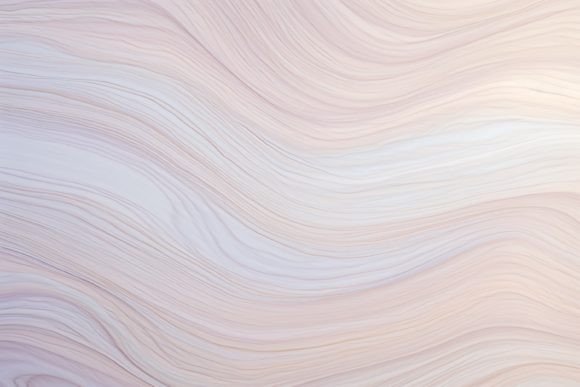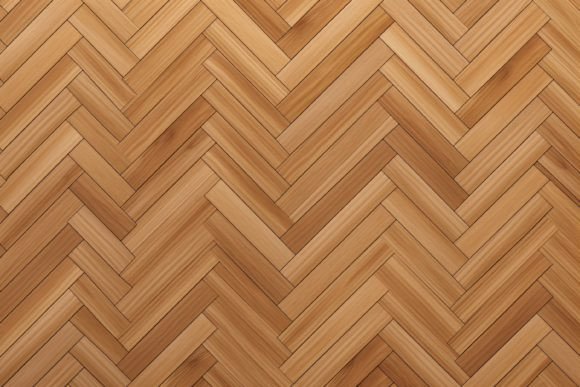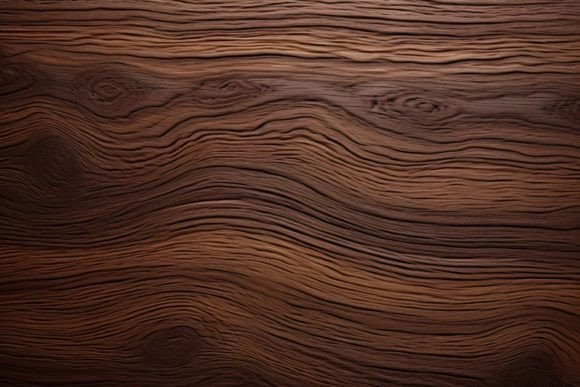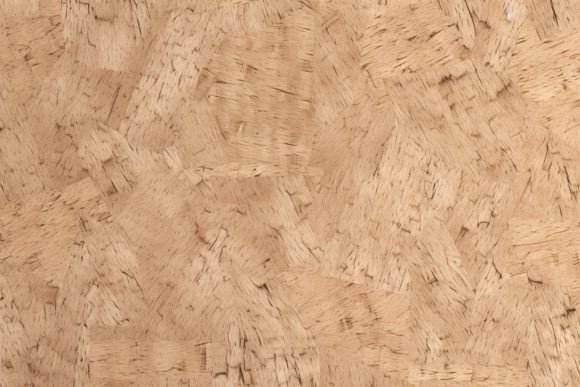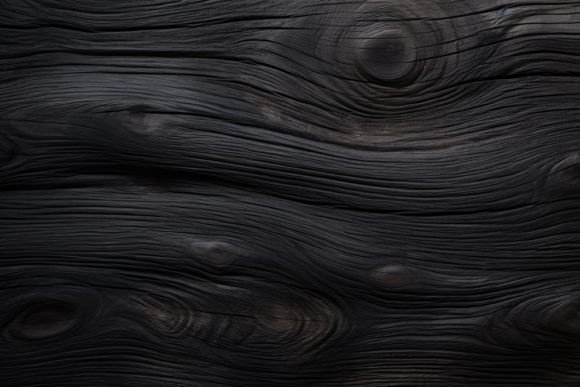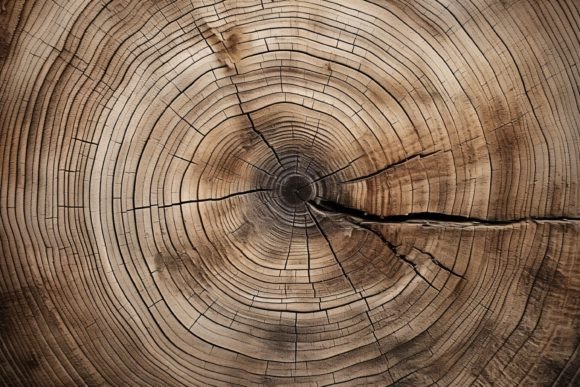
Cut Wood Texture
In the realm of digital design and print production, the distinction between a generic background and a purpose-built asset often determines the final quality of a project. Cut Wood Texture is not merely an image; it is a specialized graphic resource designed to bridge the gap between organic aesthetics and digital precision. For professionals ranging from graphic designers and marketing specialists to educators and small business owners, having access to high-fidelity textures is essential for creating materials that feel tactile and authentic without the logistical challenges of physical sourcing.
This specific wood texture background is engineered for versatility. It addresses a common pain point in creative workflows: the need for realistic, high-resolution materials that can be applied across diverse mediums with minimal editing. Whether you are designing a rustic brand identity, preparing a complex decoupage project, or simply adding depth to a digital invitation, the utility of this asset lies in its resolution, color accuracy, and adaptability. Understanding how this file integrates into various workflows requires a look at its technical specifications and practical applications.
Technical Specifications and Image Quality
The foundation of any useful digital texture is its technical integrity. The Cut Wood Texture provided here comes with specific parameters that cater to both screen-based and print-based needs. The file is delivered as a JPG in RGB color mode, which is the standard for web graphics, social media content, and most digital presentations. However, its true value emerges when considering its application in physical print.
The resolution is listed at 300 DPI (dots per inch), which is the industry standard for high-quality printing. With dimensions of 3000×2000 pixels, the image offers sufficient detail for large-format prints such as banners, posters, and signage, while remaining manageable in file size for everyday use. This balance is critical. Many "high-resolution" assets available online are either too massive, causing software lag, or too small, resulting in pixelation when scaled up. A 3000-pixel width allows for significant cropping or layering without losing clarity.
For those working in RGB, the color profile ensures accurate representation on monitors and mobile devices. If the intention is to print, users should be aware that converting RGB to CMYK may result in slight color shifts, particularly in deep browns and subtle grain highlights. Nevertheless, starting with a clean, high-DPI RGB source provides the best possible base for any post-processing workflow.
Practical Applications Across Industries
The versatility of this wood texture makes it applicable to a wide array of professional and hobbyist projects. Its design supports multiple techniques, from simple overlay effects to complex mixed-media compositions. Below are several key areas where this asset proves particularly effective.
Graphic Design and Branding
For entrepreneurs and marketers, visual consistency is paramount. A wood texture can evoke feelings of reliability, craftsmanship, and natural warmth. This Cut Wood Texture is ideal for:
- Business Cards: Adding a subtle wood grain overlay to a business card design can elevate it from flat paper to a textured experience, suggesting attention to detail.
- Logos and Lettering: By using blending modes in software like Photoshop, designers can apply the texture directly to text layers to create wooden sign effects, perfect for local businesses, cafes, or artisanal brands.
- Web Graphics: In RGB format, this texture serves well as a background for landing pages, blog headers, or product packaging mockups, providing a grounded aesthetic that contrasts well with modern sans-serif typography.
Print Production and Stationery
Small business owners who produce their own marketing materials benefit significantly from high-DPI assets. The 300 DPI resolution ensures that when this texture is printed, the grain details remain sharp and do not blur.
- Invitations and Banners: For weddings, events, or corporate retreats with a rustic or natural theme, this background provides a ready-made canvas. It eliminates the need to photograph actual wood, ensuring uniformity across hundreds of invitations.
- Stationery Sets: Letterheads, envelopes, and thank-you notes can incorporate this texture as a watermark or border element, adding a touch of elegance without overwhelming the primary content.
Crafting and DIY Projects
For serious hobbyists, scrapbookers, and decoupage enthusiasts, this file acts as a digital template or a printable sheet. The term "decoupage" refers to the art of decorating objects by gluing colored paper cutouts onto them in combination with special paint effects, gold leaf, or other decorations. This wood texture can be printed on high-quality paper or cardstock and used to:
- Create faux-wood finishes on furniture, boxes, or frames.
- Serve as a background for planner stickers and journal layouts.
- Provide a realistic base for digital scrapbooking elements, allowing creators to simulate physical crafts in digital formats.
Evaluating Usability and Workflow Integration
When assessing whether a digital asset fits your workflow, usability is just as important as initial appearance. The JPG format of this Cut Wood Texture is universally compatible. You do not need specialized software to open or view the file, nor do you require advanced features to utilize it. It can be dragged and dropped into almost any design program, from Adobe Creative Cloud to free online editors like Canva.
However, the lack of transparency in a standard JPG file presents a minor limitation. Unlike PNG files, which support alpha channels, JPGs have a solid white (or colored) background. To use this texture effectively over other designs, users will typically need to employ tools like the "Magic Wand" or "Color Range" selection features to isolate the wood pattern, or use blending modes such as "Multiply," "Overlay," or "Soft Light." These techniques allow the texture to interact with underlying colors, creating shadows and highlights that enhance realism.
For professionals, this requirement is negligible but worth noting. It means the asset is ready-to-use for full-page backgrounds but requires a few extra steps for layered compositions. This trade-off is acceptable given the file’s manageable size and broad compatibility.
Who Should Use This Resource?
Determining if this asset aligns with your needs depends on your role and output goals. Here is a breakdown of who benefits most:
Freelance Graphic Designers: If you frequently work with clients in the food, beverage, home goods, or outdoor industries, having a library of high-quality wood textures saves time. Instead of hunting for stock photos that may have inconsistent lighting or low resolution, you have a standardized, reliable asset.
Small Business Owners: For those managing their own branding, this texture offers a cost-effective way to maintain a cohesive visual identity. Whether printing labels for handmade products or designing social media posts, the texture adds a professional polish that elevates perceived value.
Educators and Content Creators: Bloggers and teachers creating downloadable resources, worksheets, or presentation slides can use this background to make digital content more engaging. A plain white slide can be visually fatiguing; a subtle wood texture adds warmth and reduces eye strain.
Hobbyists and Crafters: Those engaged in paper crafts, scrapbooking, or digital planning will find the 3000×2000 px size ample for detailed projects. The ability to print the texture at 300 DPI ensures that physical crafts look crisp and professional.
Potential Limitations and Considerations
No single asset is a universal solution. While the Cut Wood Texture is robust, users should consider a few limitations. First, the RGB color space means it is not optimized for direct CMYK printing without conversion. Print professionals should adjust colors before sending files to press to avoid dullness in dark tones.
Secondly, the texture is static. It does not include 3D mapping data or displacement maps that might be needed for hyper-realistic 3D rendering. For basic 2D design, print, and web use, it is highly effective. For advanced 3D modeling, additional assets would be required.
Finally, the aesthetic is specific. If your project requires a stark, modern, industrial metal look or a sleek glass finish, this wood texture will not fit. It is best suited for projects aiming for organic, warm, rustic, or traditional vibes. Evaluating your project’s mood board against the tone of the wood grain will help determine if it is the right choice.
Conclusion
The Cut Wood Texture stands out as a practical, high-quality resource for anyone needing realistic wood visuals in their work. Its combination of high resolution, appropriate dimensions, and versatile format makes it suitable for a wide range of applications, from digital branding to physical print crafts. By understanding its strengths in RGB display and its requirements for print preparation, users can integrate this asset seamlessly into their workflows. For professionals and hobbyists alike, it offers a reliable tool to enhance visual storytelling with the timeless appeal of wood.