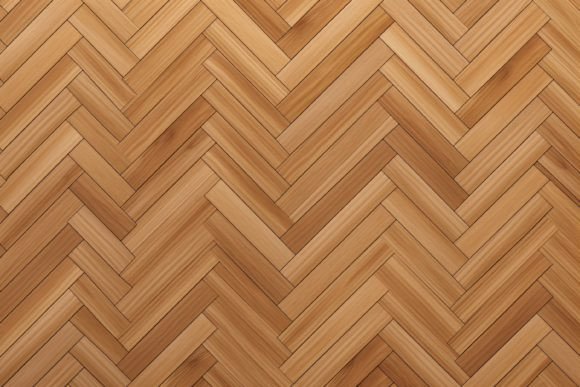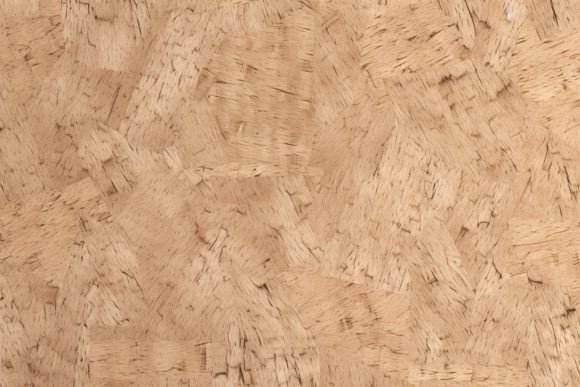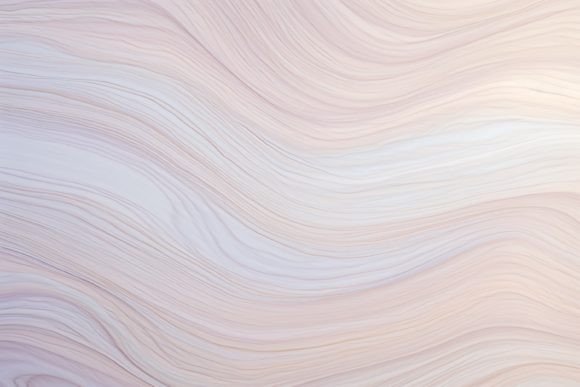
Pastel Wood Texture Backgrounds
In the world of digital design and physical crafting, texture is often the silent hero. It adds depth, warmth, and a sense of tactility to flat surfaces. Among the myriad of textures available, pastel wood texture has emerged as a versatile favorite for creators who want to blend organic warmth with modern softness. This specific aesthetic combines the natural grain patterns of timber with a muted, soothing color palette, resulting in a visual language that is both inviting and sophisticated.
Whether you are a graphic designer working on brand identity, a crafter preparing a wedding invitation suite, or a small business owner designing packaging, understanding how to leverage this texture can elevate your projects from ordinary to exceptional. The key lies not just in using the image, but in understanding its properties and applications. Below, we explore the creative potential of pastel wood textures, practical use cases, and technical considerations to help you integrate them effectively into your workflow.
Why Choose Pastel Wood Textures?
Natural wood grains have always been associated with stability, nature, and timelessness. However, traditional brown or dark oak tones can sometimes feel heavy or dated depending on the context. By shifting the palette to pastels—think blush pinks, mint greens, soft lavenders, creamy whites, and sky blues—you retain the structural interest of the grain while softening the overall emotional impact. This creates a backdrop that feels fresh, contemporary, and approachable.
The appeal of pastel wood texture background designs extends beyond mere aesthetics. They serve as an excellent middle ground between stark white minimalism and busy, colorful patterns. Because the colors are low-saturation, they do not compete with foreground elements like text, logos, or product photos. Instead, they provide a subtle canvas that enhances readability and visual hierarchy without overwhelming the viewer’s eye.
Technical Specifications for Professional Results
Before diving into creative applications, it is crucial to ensure you are working with high-quality assets. A blurry or pixelated texture will undermine even the best design choices. When sourcing or creating these backgrounds, look for files that meet professional standards. For instance, a high-resolution JPG file at 300 DPI (dots per inch) is ideal for print materials. Dimensions such as 3000×2000 pixels offer sufficient detail for cropping and scaling without losing clarity.
Additionally, verify the color mode. Most digital screens operate in RGB (Red, Green, Blue), which ensures vibrant display on monitors and mobile devices. If you plan to send your design to a professional printer, be aware that some workflows may require conversion to CMYK, though starting with a high-quality RGB source gives you the most flexibility during the editing process. Ensuring your asset is crisp allows you to zoom in on intricate grain details, adding a layer of realism that cheap stock images often lack.
Creative Applications Across Industries
The versatility of pastel wood textures makes them suitable for a wide array of industries. Here is how different professionals can adapt this trend for their specific needs.
Stationery and Paper Goods
For stationers and cardmakers, this texture is a game-changer. It works beautifully for:
- Wedding Invitations: Use a blush or cream pastel wood background to create a romantic yet rustic feel. Overlay elegant serif typography in gold or charcoal to create contrast.
- Business Cards: A subtle mint or grey-toned wood grain can make a business card stand out in a pile of plain white cards. It suggests creativity and attention to detail.
- Planner Stickers: Create sets of decorative borders or frames using the wood texture. These add a tactile element to digital planners or physical bullet journals.
Digital Design and Web Graphics
In the digital space, pastel wood textures can soften the harsh edges of user interfaces. Bloggers and content creators can use these backgrounds for featured images, sidebar headers, or downloadables like checklists and e-books. The texture adds personality to otherwise sterile layouts.
When designing web graphics, consider using the texture as a full-width banner background. Ensure there is enough contrast between the text and the wood grain by adding a semi-transparent overlay or a drop shadow. This technique maintains the aesthetic while ensuring accessibility and readability.
DIY Projects and Home Decor
For hobbyists and DIY enthusiasts, this texture opens up exciting possibilities for physical crafts:
- Decoupage: Print the texture on thin paper or decoupage medium-compatible sheets. Apply it to furniture, boxes, or picture frames to give them a custom, handcrafted look without the effort of actual woodworking.
- Scrapbooking: Cut out shapes from printed pastel wood papers to create layered backgrounds for memory-keeping pages. The neutral tones allow photos to remain the focal point.
- Gift Wrapping: Use large-format prints of these textures as unique wrapping paper for eco-conscious or boutique-style gifts.
Design Tips for Effective Usage
To get the most out of your pastel wood texture assets, keep these practical tips in mind. Good design is about balance and intentionality.
Contrast is Key
Because pastel colors are light and desaturated, pairing them with dark, bold typography creates a striking visual effect. Black, navy blue, or deep charcoal fonts work exceptionally well against light wood grains. Conversely, if you use darker pastel woods (like taupe or dusty rose), lighter text such as white or cream will pop effectively. Avoid using light text on light backgrounds unless you add significant spacing or shadows.
Layering and Transparency
Don’t be afraid to experiment with opacity. In software like Photoshop or Canva, lowering the opacity of the wood texture layer can turn it into a subtle watermark or background wash. This is particularly useful when you need to place important information over the texture. Layering multiple textures—for example, combining pastel wood with a linen or paper texture—can add even more depth and complexity to your design.
Consistency in Branding
If you are a small business owner, consistency builds recognition. Choose one or two variations of pastel wood textures that align with your brand colors and stick to them across all platforms. Whether it’s on your Instagram stories, email newsletters, or physical packaging, a consistent textural theme reinforces your brand identity. It tells your audience that you pay attention to the details, fostering trust and professionalism.
Adapting to Different Audiences
Understanding your audience is crucial when selecting the right shade of pastel. For a younger demographic, such as teenagers or young adults, brighter pastels like coral, turquoise, or lavender might resonate more. These colors feel energetic and playful. For a more mature audience, such as professionals or luxury clients, opt for muted, earthy pastels like sage green, beige, or slate blue. These tones convey calmness, reliability, and sophistication.
Educators and parents might find soft pastel wood textures particularly appealing for classroom materials or children’s books. The gentle colors are less stimulating than bright primary colors, making them easier on the eyes for prolonged reading or study sessions. Meanwhile, marketers targeting the wellness or self-care industry can use these textures to evoke feelings of relaxation and natural living.
Conclusion
The pastel wood texture is more than just a trendy aesthetic; it is a functional design tool that bridges the gap between nature and modernity. By utilizing high-resolution files and applying thoughtful design principles, you can create materials that are not only visually appealing but also effective in communicating your message. Whether you are printing invitations, designing web banners, or starting a new DIY project, this texture offers a reliable foundation for creativity. Embrace its versatility, experiment with contrasts, and let the subtle beauty of pastel wood enhance your work.