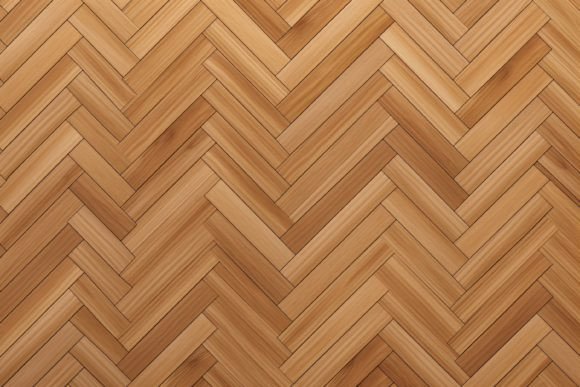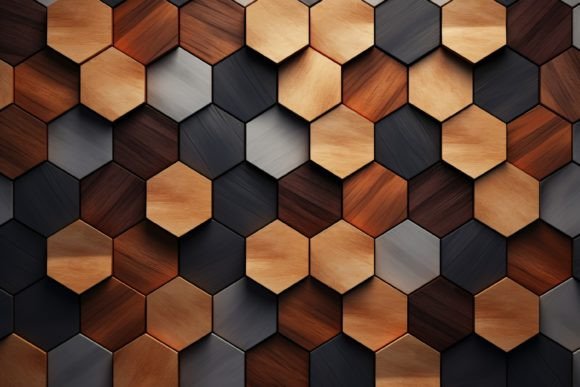
Hexagonal Wood Pattern Background
In the world of digital design and physical craft, finding the perfect texture can often be the difference between a good project and a great one. Whether you are a graphic designer looking to add warmth to a corporate identity or a hobbyist wanting to elevate your scrapbooking with realistic textures, the right background sets the tone for everything that follows. The Hexagonal Wood Pattern Background offers a unique intersection of geometric precision and organic warmth, making it an incredibly versatile asset for a wide array of creative endeavors.
This specific wood texture is not just a flat image; it is a high-resolution resource designed to integrate seamlessly into various workflows. With dimensions of 3000×2000 pixels and a resolution of 300 DPI in RGB color space, this file provides the clarity needed for both screen-based graphics and high-quality print materials. Below, we explore how this pattern addresses common creative challenges and how different users can leverage its potential.
Understanding the Appeal of Hexagonal Wood Textures
Why choose a hexagonal pattern over a standard linear wood grain? The answer lies in visual interest and structural implication. Standard wood textures evoke natural, flowing lines that suggest growth and nature. In contrast, a hexagonal wood pattern introduces a sense of engineering, structure, and modernity while retaining the tactile comfort of wood. This duality makes it particularly effective for projects that need to feel grounded yet contemporary.
The Hexagonal Wood Pattern Background mimics the look of honeycomb structures found in nature but rendered in timber tones. This creates a sophisticated aesthetic that works well in industries ranging from construction and carpentry to eco-friendly product branding. For designers, it offers a way to break away from the cliché of straight-line wood grains without sacrificing the organic feel that audiences often associate with quality and sustainability.
Solving Common Design Challenges
Many creators face the challenge of making digital designs feel "tactile." On a screen, images are flat. However, by incorporating detailed textures like the Hexagonal Wood Pattern Background, designers can simulate depth and materiality. This is particularly useful when creating mockups or designing user interfaces that aim to feel more human-centric and less sterile.
Another common hurdle is consistency across media. A design might look stunning on a website banner but lose its impact when printed on a business card. The high resolution (300 DPI) of this specific JPG file ensures that the intricate details of the wood grain remain sharp whether viewed on a mobile device or scaled up for a large format banner. This versatility solves the problem of having to source multiple assets for different use cases, streamlining the production process.
Practical Applications for Digital Creators
The applications for this texture are vast, extending far beyond simple wallpapers. Here is how professional designers and digital artists can utilize the Hexagonal Wood Pattern Background:
- Web Graphics and UI Elements: Use the pattern as a subtle overlay on buttons, headers, or sidebars. The hexagonal shape naturally guides the eye, making it excellent for call-to-action areas. Because it is in RGB color mode, it renders beautifully on monitors and smartphones.
- Branding and Identity: For businesses in the outdoor, furniture, or sustainable goods sectors, this texture can serve as a foundational element in logo backgrounds or packaging designs. It communicates reliability and craftsmanship.
- Social Media Content: Create eye-catching posts for Instagram or Pinterest by layering text over the wood texture. The contrast between clean, modern typography and the rustic-hexagonal background creates a visually striking composition that stands out in crowded feeds.
Crafting and DIY Project Enhancements
For those who prefer working with their hands, the Hexagonal Wood Pattern Background opens up new possibilities in decoupage, cardmaking, and mixed media art. Decoupage involves gluing paper cutouts onto surfaces and sealing them to create a finished look. Using this high-resolution image allows crafters to print large-scale sections of the pattern, cut them out, and apply them to boxes, frames, or furniture, achieving a realistic wood finish without the need for staining or sanding.
In cardmaking and stationery design, this texture adds a premium feel. Imagine a wedding invitation where the main body features a soft, hexagonal wood grain, providing a rustic-chic backdrop for elegant gold foil lettering. Similarly, planner stickers and bullet journal covers benefit from the structured yet warm appearance of this pattern, offering a unique alternative to solid colors or floral prints.
Technical Considerations for Best Results
To get the most out of this asset, it is important to understand its technical specifications. The file is provided as a JPG, which is widely compatible but compressed. For critical print work, always ensure you are using the original 3000×2000 px file. While JPGs are convenient, they can sometimes show artifacts at high zoom levels if the compression was too aggressive. However, given the 300 DPI resolution, this file is optimized for standard print sizes up to 10x6.6 inches at full quality, or larger formats when tiled appropriately.
When using this in design software like Adobe Photoshop or Illustrator, consider using blend modes. Overlaying the Hexagonal Wood Pattern Background with a multiply or overlay mode on top of a solid color can create rich, deep wood tones that adapt to your brand’s color palette. This technique allows you to customize the hue of the wood—turning light oak into dark walnut or even introducing tinted woods for themed projects—without losing the texture detail.
Who Benefits Most from This Asset?
Different users approach this texture with different goals. A graphic designer might value the aspect ratio and resolution for seamless tiling in web layouts. A craft enthusiast might appreciate the ability to print and cut the pattern for three-dimensional objects. A marketing professional might see the value in using the texture to convey trust and stability in advertising materials.
Regardless of your role, the key takeaway is flexibility. The Hexagonal Wood Pattern Background is not limited to one industry or medium. It bridges the gap between digital precision and analog charm. By integrating this texture into your workflow, you add a layer of sophistication and realism that resonates with audiences on a subconscious level.
Conclusion
Whether you are designing a banner for a local carpentry shop, creating a custom planner cover, or developing a brand identity for an eco-startup, the right texture can elevate your work. The Hexagonal Wood Pattern Background provides a high-quality, versatile solution that meets the demands of both digital and physical media. Its unique geometric structure combined with organic wood tones offers a fresh perspective on a classic material. By leveraging this asset, you can create designs that are not only visually appealing but also emotionally engaging, helping you connect more effectively with your audience. Explore its potential, experiment with different applications, and discover how this simple background can transform your next project.